


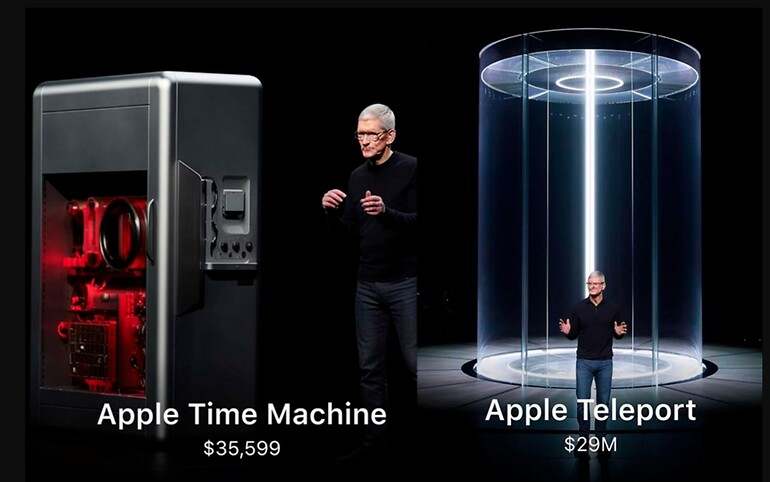
Introduction: The Dawn of Apple Teleportation
In the world of technology, innovations that seem impossible today are often a reality tomorrow. Apple teleportation is one such concept that has captured the imagination of tech enthusiasts worldwide. While teleportation has long been a staple of science fiction, the idea that a tech giant like Apple might one day make it possible is both exciting and thought-provoking. Could Apple teleportation revolutionize how we interact with the world around us?
In this article, we’ll dive deep into the potential of Apple teleportation, how it could reshape various industries, and what technologies Apple could leverage to make it a reality. While Apple teleportation might not yet be available for the masses, its concept promises to unlock a host of possibilities in both virtual and physical worlds.
What is Apple Teleportation?
At its core, Apple teleportation refers to the idea of transporting a person or object from one location to another instantly. However, the term might not be as literal as it sounds. Unlike traditional teleportation, which implies the physical transfer of matter, Apple teleportation could likely refer to the transfer of a person’s presence into a digital or virtual space.
Imagine stepping into a virtual reality environment and interacting with it as if you were physically present, all facilitated by Apple teleportation. While this doesn’t mean we will soon be zipping through wormholes or bending space-time, it does mean that Apple could develop technology that allows for instantaneous virtual “presence” in different places or environments.
This type of Apple teleportation could be a game-changer for how we experience communication, work, education, and entertainment.
The Technologies Behind Apple Teleportation
For Apple teleportation to be more than just a buzzword, several technologies would need to come together. Let’s explore the key technologies that could make Apple teleportation a reality.
1. Augmented Reality (AR)
Apple has already made significant strides in the augmented reality space, particularly with the development of ARKit for iOS devices. Through AR, Apple teleportation could allow users to “teleport” to digital environments that overlay or replace their physical surroundings. For instance, AR glasses or headsets might enable a user to experience a virtual conference or a faraway place in real time, as if they were there physically.
AR-powered Apple teleportation could enable users to interact with their environment, whether it’s exploring a new city or attending a virtual meeting. By blending the physical and digital worlds, AR would be an essential building block for Apple teleportation.
2. Virtual Reality (VR)
While AR adds digital layers to the real world, virtual reality (VR) takes it a step further by immersing users in entirely digital environments. For Apple teleportation, VR could be the perfect platform. Wearing a VR headset, users could be instantly “teleported” to different virtual worlds, whether they are interacting with other people in a virtual office space or experiencing a digitally rendered environment such as a famous landmark.
If Apple teleportation were to combine AR and VR, it could create a fully immersive experience where users feel physically present in distant locations, even though they are at home or in the office.
3. 5G Connectivity
To make Apple teleportation a seamless experience, ultra-fast, low-latency internet connectivity would be crucial. This is where 5G technology comes into play. With the rapid speeds and near-instantaneous data transfer capabilities that 5G offers, Apple teleportation could function in real-time, with virtually no delay between actions and feedback.
With 5G networks, the heavy data requirements of virtual environments, 3D models, and augmented reality could be handled smoothly. This means that people could teleport to digital locations and interact with others in real-time, without noticeable lag.
4. Edge Computing
Edge computing refers to processing data closer to the user, reducing latency by avoiding long-distance data travel to centralized cloud servers. In the case of Apple teleportation, edge computing would help ensure that data for AR and VR environments is processed quickly, making the experience smoother and more immersive.
By using edge computing, Apple could ensure that users have immediate access to virtual environments and can interact with them seamlessly. The combination of 5G and edge computing could enable Apple teleportation to become not just a futuristic idea, but a functional reality.
Potential Applications of Apple Teleportation
The possibilities for Apple teleportation extend across various industries. Let’s explore some of the most exciting potential applications.
1. Remote Work and Virtual Meetings
The shift to remote work has led to a surge in virtual meetings and online collaboration tools. Apple teleportation could take this to the next level. Imagine walking into a virtual office, sitting down at a desk with your colleagues, and collaborating as if you were in the same room, despite being miles apart. Apple teleportation could make remote meetings more immersive, enhancing communication and fostering a sense of presence that is currently lacking in video calls.
For example, with Apple teleportation, a team based in different corners of the world could meet in a virtual space, interact in real-time, and share ideas with an unprecedented level of engagement.
2. Education and Virtual Classrooms
In education, Apple teleportation could provide students and teachers with immersive, real-time experiences. Instead of simply watching a video or reading a textbook, students could virtually “teleport” to historical events, dive into scientific simulations, or attend lectures by experts from across the globe. This form of experiential learning could greatly enhance student engagement and retention.
Whether it’s a virtual field trip to the pyramids of Egypt or a hands-on biology class where students can explore the human body in 3D, Apple teleportation could redefine the way we learn.
3. Tourism and Exploration
Travel could also be transformed by Apple teleportation. While physical travel is limited by geography and costs, Apple teleportation could allow people to explore the world in a new way. Imagine experiencing the Eiffel Tower from your living room or attending a concert in Tokyo without ever leaving your home.
For people who are unable to travel due to physical, financial, or logistical barriers, Apple teleportation could provide a way to “visit” locations they may never have the chance to see in person. This could also have a positive environmental impact by reducing the need for air travel and the carbon footprint that comes with it.
4. Healthcare and Remote Consultations
The healthcare industry could also benefit from Apple teleportation. Imagine visiting a doctor or specialist in a virtual space, where you can discuss your symptoms, show them your medical history, and even receive a diagnosis—all from the comfort of your home. Apple teleportation could allow for more efficient and accessible healthcare, particularly in remote areas where doctors and specialists may not be readily available.
Moreover, surgeons could use Apple teleportation to perform remote operations with real-time guidance, interacting with virtual models or collaborating with colleagues from around the world.
Challenges in Realizing Apple Teleportation
While the concept of Apple teleportation is exciting, there are several hurdles to overcome before it becomes a reality. Some of these challenges include:
1. Technological Limitations
The technology required for Apple teleportation is still in its infancy. While AR, VR, and 5G are already in development, the seamless integration of these technologies to create a truly immersive experience will require significant advancements in hardware, software, and infrastructure.
2. Privacy and Security
As with any new technology, privacy and security will be critical concerns. Apple teleportation would require the collection and processing of vast amounts of personal data. Ensuring that this data is secure and that users’ privacy is protected will be essential for the widespread adoption of the technology.
3. Cost
As with any cutting-edge technology, the initial cost of implementing Apple teleportation could be prohibitively high. Devices capable of supporting this technology, such as AR glasses or VR headsets, would need to be affordable for the average consumer.
The Future of Apple Teleportation
Though Apple teleportation may still be a few years away, its potential is immense. As AR, VR, 5G, and edge computing technologies continue to evolve, the idea of “teleporting” into digital worlds or virtual spaces may soon be a common part of our lives.
Apple’s history of pushing the envelope in technology, from the iPhone to the Apple Watch, suggests that the company could very well lead the charge in making Apple teleportation a reality. Whether it’s transforming remote work, revolutionizing education, or enabling virtual travel, Apple teleportation promises to change how we interact with the world and each other.
Conclusion
The concept of Apple teleportation is a glimpse into the future of technology, offering the promise of instantaneous digital presence in any part of the world. While still a concept, the rapid advancements in AR, VR, 5G, and other technologies suggest that it may not be long before Apple teleportation becomes a reality. Whether for business, entertainment, healthcare, or education, the possibilities are endless. As we continue to innovate and explore the boundaries of technology, Apple teleportation could become the next major leap forward in our digital experiences.