


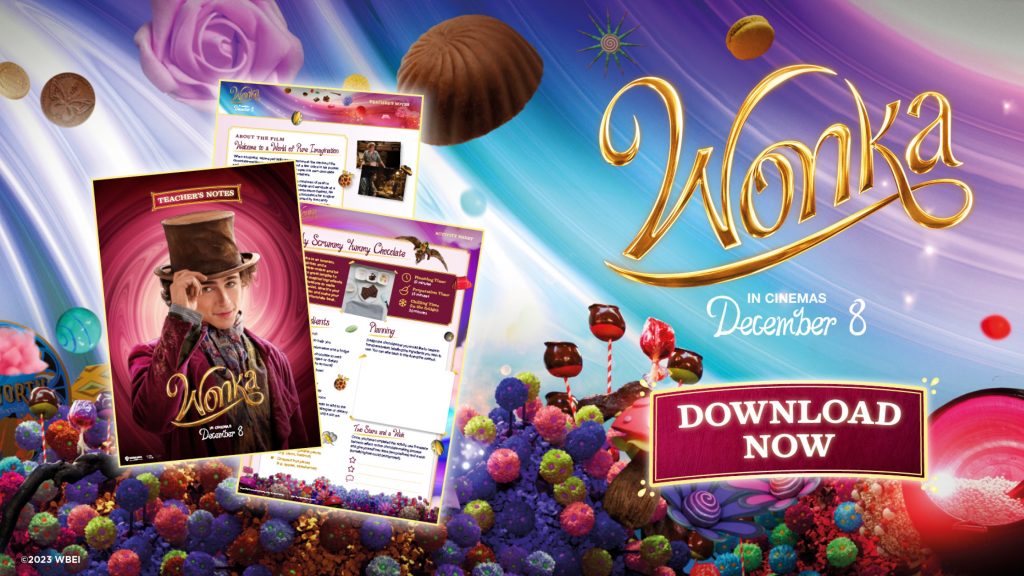
In the world of iconic candy brands, few names hold the same nostalgic value as Wonka. With its whimsical name and its association with the classic Charlie and the Chocolate Factory, the Wonka brand holds a special place in many people’s hearts. Known for its unique and creative candy products, including the beloved Wonka bars, the brand evokes images of sweet treats wrapped in brightly colored packaging and a sense of childhood wonder.
But here’s a question many candy lovers and entrepreneurs might be asking: Should Wonka bars be brought back to the market? In this article, we’ll explore the reasons behind the candy’s initial success, why it’s still remembered fondly today, and whether or not reviving the Wonka brand could be a smart business move in today’s candy market.
The History of Wonka Bars
Before we dive into whether or not it’s a good idea to bring Wonka bars back to the market, let’s take a brief trip down memory lane. The Wonka bar was first introduced by the Nestlé company in 1971 in conjunction with the popular Willy Wonka & the Chocolate Factory movie (based on Roald Dahl’s 1964 novel, Charlie and the Chocolate Factory). The movie brought the whimsical world of Willy Wonka and his chocolate factory to life, and the Wonka bar quickly became a piece of that story’s magical world.
What made the Wonka bar so unique? It was not just another chocolate bar; it was the candy that connected the fantastical elements of the movie with real-world indulgence. The Wonka bar was marketed as a chocolate bar of dreams — a symbol of childhood fantasies and the magical world of sweets. The candy was originally available in several variations, including milk chocolate, dark chocolate, and a variety of other flavors and fillings. The Wonka bar became an instant hit, with its clever marketing campaign and its tie-in to one of the most beloved movies of all time.
Nestlé continued to manufacture Wonka bars for decades, but eventually, in 2010, the company decided to discontinue the product, leaving candy lovers everywhere disappointed. The Wonka brand was still alive in other products, but the iconic Wonka bar was no longer available on store shelves.
Why People Remember Wonka Bars So Fondly
So, why do people still remember Wonka bars fondly after all these years? The answer lies in the nostalgia and emotional connection many people have with the candy. Here are some of the main reasons why people continue to associate positive memories with the Wonka bar:
1. Connection to Childhood
The most obvious reason people remember the Wonka bar fondly is its association with childhood. For many, the Wonka bar represented a special treat — something you could indulge in while imagining you were walking through Willy Wonka’s magical factory. The Wonka bar was more than just candy; it was a symbol of fun, imagination, and fantasy. It’s a piece of many people’s childhoods that is now nostalgic, evoking memories of simpler times when all you needed was a candy bar to make your day feel magical.
2. Link to Willy Wonka & the Chocolate Factory
For many fans of the movie Willy Wonka & the Chocolate Factory, the Wonka bar was a tangible connection to the fantastical world depicted in the 1971 film. The magical elements of the movie, the golden tickets, and the bizarre yet delightful candy creations all seemed to come alive with the launch of the Wonka bar. The idea that you could hold in your hands something so reminiscent of the magic in the film created an unforgettable emotional connection for fans of all ages.
3. Memorable Marketing and Branding
The Wonka brand, under Nestlé, did an excellent job at marketing the candy. From the vibrant, colorful packaging to the catchy slogans, the Wonka bar was more than just a chocolate treat; it was an experience. Its playful branding captured the essence of Roald Dahl’s work and made the candy feel like part of a magical world. Even when the candy was discontinued, the brand continued to linger in people’s minds due to its unique and fun marketing strategies.
4. Unique Flavor Varieties
The Wonka bar was known for its unique and experimental flavor variations. While the milk chocolate and dark chocolate options were standard, there were also fun, exciting versions, like the “Scrumdiddlyumptious” bar, which combined chocolate with toffee and other mixed-in goodies. These innovative flavors made the Wonka bar stand out in a crowded candy market and helped solidify its reputation as a fun, adventurous candy option.
Is There Still a Demand for Wonka Bars?
Considering the deep emotional attachment many people have to the Wonka bar, it’s easy to imagine that there would be a demand for it to return to the market. However, before deciding whether to bring it back, it’s important to assess whether consumers would still be interested in purchasing the candy today.
1. The Nostalgia Factor
Nostalgia is a powerful force. People often long for the things they experienced in their youth, especially if they have fond memories associated with them. In today’s culture, where retro trends often resurface, the revival of a classic candy like the Wonka bar could evoke feelings of nostalgia in consumers who grew up enjoying it. Moreover, introducing the Wonka bar could appeal to a younger generation who may not have experienced it the first time around but are drawn to the mystique of its whimsical brand and connection to Willy Wonka & the Chocolate Factory.
2. The Popularity of Limited-Edition Products
Limited-edition products are a major trend in the food industry, and reviving the Wonka bar could tap into this desire for exclusivity. By releasing limited-edition runs of the Wonka bar, Nestlé or a similar company could generate buzz and create a sense of urgency among consumers, who would want to get their hands on the candy before it disappears again. Limited-time flavors or special packaging could make the Wonka bar even more desirable.
3. Evolving Taste Preferences
One challenge that the Wonka bar could face is the evolving preferences of consumers when it comes to taste. Over the years, people’s tastes have changed, and they may be more inclined to try innovative, gourmet, or organic options. The candy market has evolved, and many consumers are now interested in healthier or more sustainable options, which could limit the success of a traditional candy bar. To stay relevant, the Wonka bar would likely need to evolve with the times and offer more contemporary flavor profiles, such as dairy-free or gluten-free versions.
What Would It Take to Bring Wonka Bars Back?
If you’re considering bringing the Wonka bar back to the market, there are several factors to take into account:
1. Modernize the Recipe and Packaging
The revival of the Wonka bar would need to be carefully executed, blending nostalgia with modern tastes. Updating the recipe to include more contemporary ingredients, such as sustainable or organic products, could appeal to today’s health-conscious consumer. Updating the packaging to make it more eco-friendly could also be a selling point.
2. Marketing Strategy
A successful marketing campaign would be essential to ensure the Wonka bar generates excitement and attention. Engaging social media campaigns, partnerships with influencers, and clever advertising would create the buzz necessary to generate consumer interest. Additionally, offering limited-edition releases or flavors could drive demand.
3. Pricing and Distribution
Competitive pricing and widespread availability would be important. Making sure the Wonka bar is accessible to the general public in various retail stores and online platforms would be key to its success.
Conclusion
Bringing back the Wonka bar would be a bold move, but it could also be a lucrative one, given the deep emotional connection people have with the brand and the power of nostalgia. With the right approach, including a modernized recipe, updated packaging, and a strong marketing campaign, the Wonka bar could once again become a favorite in candy aisles across the world.
Ultimately, the decision to revive the Wonka bar comes down to balancing the desire for a nostalgic product with the need to adapt to modern tastes and preferences. If done right, it could tap into both older generations who remember the candy fondly and younger generations intrigued by its legacy. The Wonka bar has the potential to become a symbol of fun, creativity, and indulgence once again—making it a product worth considering for the market.
Know More: