
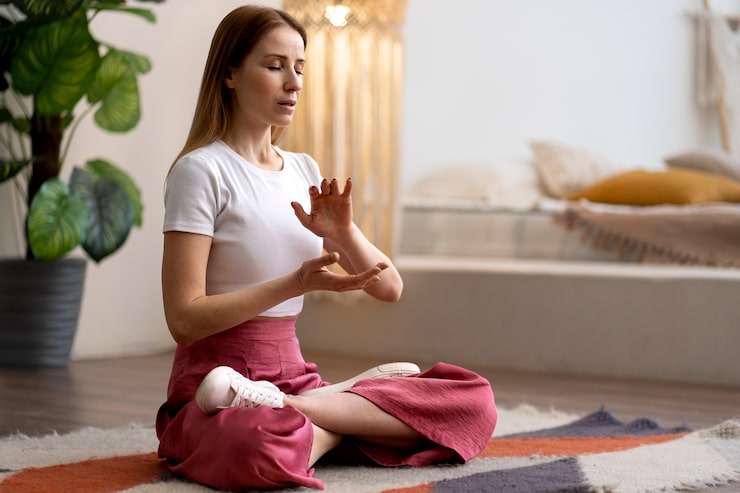
Meditation techniques are powerful tools for calming the mind, reducing stress, and enhancing overall well-being. Practicing meditation daily can transform your mental clarity, emotional stability, and personal growth.
Whether you are a beginner or have experience, understanding different meditation techniques allows you to choose methods that suit your lifestyle, helping you achieve balance, focus, and inner calm.
Importance of Meditation in Daily Life
Meditation provides numerous mental and physical benefits. Following meditation techniques consistently improves focus, reduces anxiety, and promotes emotional health.
It also strengthens mindfulness, allowing individuals to live in the present moment. Incorporating meditation into daily routines creates a sense of harmony and resilience, helping handle challenges effectively.
Breathing-Based Meditation
One of the simplest yet effective meditation techniques involves focusing on breath. Concentrating on inhalation and exhalation calms the nervous system and clears the mind.
This practice can be done anywhere and is ideal for beginners. Regular breathing meditation improves awareness, reduces stress, and enhances concentration, making it a foundational technique for mental wellness.
Mindfulness Meditation
Mindfulness meditation encourages awareness of thoughts, emotions, and surroundings without judgment. Practicing this form of meditation techniques helps individuals respond thoughtfully rather than react impulsively.
It strengthens attention, reduces anxiety, and promotes emotional balance. Daily mindfulness meditation fosters a deeper connection with oneself and improves overall quality of life.
Guided Meditation
Guided meditation uses audio instructions or teacher-led sessions to direct focus and relaxation. Following meditation techniques with guidance simplifies the practice, especially for beginners.
It can target specific goals such as stress relief, sleep improvement, or emotional healing. Consistent practice enhances relaxation, mental clarity, and a sense of inner peace.
Visualization Meditation
Visualization involves imagining peaceful scenes, goals, or positive experiences. This form of meditation techniques boosts motivation, reduces stress, and enhances focus.
Athletes, professionals, and students use visualization to improve performance and achieve personal goals. Regular practice strengthens mental resilience and cultivates a positive mindset.
Body Scan Meditation
Body scan meditation focuses on sensing each part of the body, releasing tension, and promoting relaxation. Incorporating this into meditation techniques improves body awareness and relieves physical stress.
Practicing body scan regularly enhances mind-body connection, reduces fatigue, and supports holistic wellness, making it suitable for people with high-stress lifestyles.
Walking Meditation
Walking meditation combines movement with mindfulness. Practicing meditation techniques while walking encourages awareness of each step, posture, and breath.
It provides physical exercise alongside mental relaxation, making it ideal for individuals who find sitting meditation challenging. Walking meditation improves energy flow, focus, and emotional balance.
Benefits of Consistent Practice
Regularly following meditation techniques enhances concentration, emotional intelligence, and stress management. It strengthens resilience, mindfulness, and self-awareness.
Long-term practice reduces anxiety, improves sleep, and supports healthy relationships. Meditation becomes a tool for holistic development, benefiting both personal and professional life.
Real-Life Example of Meditation Practice
Consider a busy professional facing daily stress. By following simple meditation techniques like mindful breathing and guided sessions, they notice reduced tension, improved focus, and better emotional control over a few weeks.
This demonstrates how consistent practice, even for a short time daily, can create significant positive changes in mental and physical health.
Combining Techniques for Maximum Benefits
Combining different meditation techniques can enhance overall effectiveness. For example, using breathing meditation followed by visualization or mindfulness practice deepens relaxation and mental clarity.
Experimenting with techniques helps individuals find the right combination that suits their needs, lifestyle, and goals, making meditation both flexible and highly effective.
Integrating Meditation into Daily Routine
Integrating meditation into daily life ensures consistent benefits. Practicing at a fixed time, such as morning or evening, establishes routine and improves adherence to meditation techniques.
Short sessions of 10–20 minutes are sufficient for beginners, while experienced practitioners can extend duration. Daily integration fosters mindfulness, reduces stress, and enhances overall well-being.
Technology-Assisted Meditation
Apps, online courses, and guided audio tools support effective meditation techniques. Technology makes it easier to practice anywhere, track progress, and explore new methods.
Digital tools provide flexibility, guidance, and motivation, helping beginners and experienced individuals maintain consistent meditation practice in busy schedules.
Long-Term Impact on Mind and Body
Consistent use of meditation techniques improves focus, emotional stability, and overall health. It promotes neuroplasticity, strengthens immunity, and supports heart health.
Practitioners often experience enhanced creativity, clarity in decision-making, and resilience against stress. Meditation becomes a lifestyle choice that positively shapes long-term mental, emotional, and physical wellness.
Read also: