


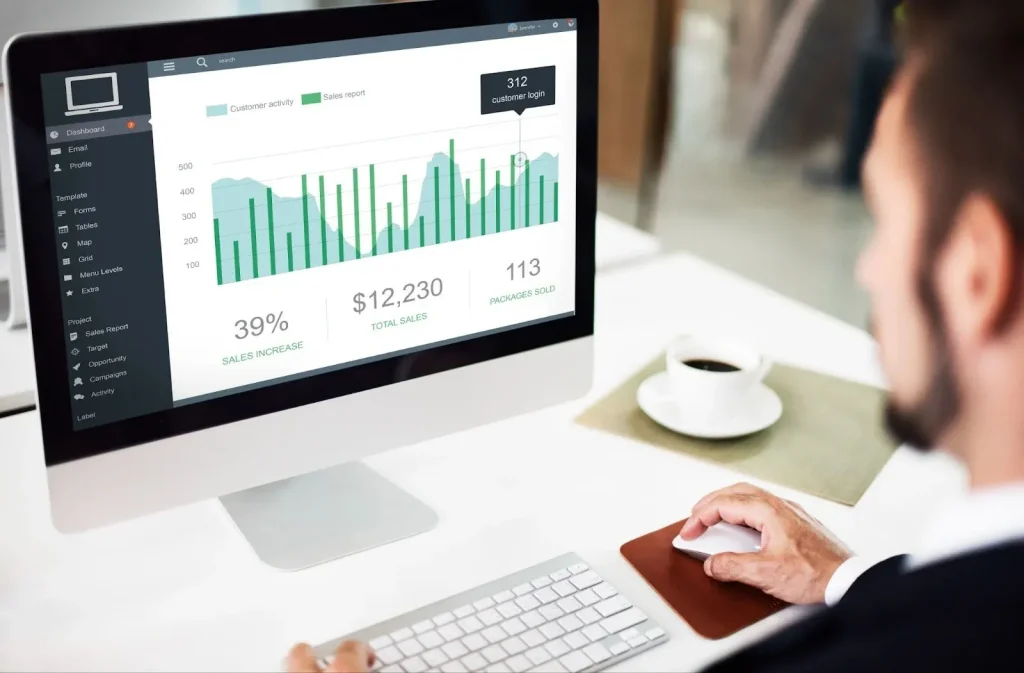
influencer analytics dashboards have become the quiet engine behind successful influencer marketing campaigns, turning scattered data into clear, confident decisions. In a space once driven by gut feeling and surface-level metrics, brands now rely on intelligent dashboards to understand what truly works and why.
Influencer marketing has matured rapidly. What started as simple collaborations based on follower counts has evolved into a data-driven discipline where performance, trust, and long-term impact matter more than vanity numbers.
The Shift From Manual Tracking to Unified Dashboards
Not long ago, marketing teams manually tracked likes, comments, and screenshots across platforms. This process was time-consuming, inconsistent, and prone to error.
As campaigns scaled across Instagram, YouTube, TikTok, and emerging platforms, the need for centralized reporting became unavoidable. Dashboards emerged as the solution, bringing all influencer data into a single, reliable view.
What Influencer Analytics Dashboards Actually Do
At their core, dashboards collect, organize, and visualize influencer performance data. They translate raw metrics into meaningful insights that guide strategy.
Instead of scrolling endlessly through profiles, marketers can see engagement trends, audience demographics, reach quality, and conversion signals at a glance. This clarity supports smarter, faster decisions.
Why Data Transparency Matters in Influencer Marketing
Transparency builds trust internally and externally. When stakeholders understand how campaigns perform, confidence in influencer marketing increases.
Dashboards provide a shared source of truth. Marketing teams, executives, and even influencers themselves align around the same metrics, reducing miscommunication and unrealistic expectations.
Experience-Driven Insights From Real Campaigns
A mid-sized fashion brand once partnered with dozens of creators based purely on aesthetics. Results were inconsistent and difficult to explain.
After adopting influencer analytics dashboards, the brand discovered that smaller creators with niche audiences delivered stronger engagement and higher-quality traffic. Campaigns became more predictable and profitable almost immediately.
Understanding Engagement Beyond Likes
Modern dashboards go deeper than surface metrics. Engagement quality reveals how audiences actually interact with content.
Comments, saves, shares, and watch time provide richer insight into influence. Dashboards contextualize these signals, helping brands understand emotional connection rather than passive scrolling.
Audience Authenticity and Trust Signals
One of the biggest challenges in influencer marketing is authenticity. Fake followers and inflated engagement can distort results.
Advanced dashboards analyze audience growth patterns, engagement consistency, and demographic alignment. These insights protect brands from investing in inauthentic partnerships and strengthen campaign credibility.
The Role of Dashboards in Influencer Selection
Choosing the right influencer is critical. Dashboards make this process more objective.
Instead of relying on intuition alone, brands compare creators based on historical performance, audience overlap, and content resonance. This data-driven approach increases success rates and reduces wasted spend.
influencer analytics dashboards and Campaign Optimization
Effective influencer analytics dashboards support optimization during live campaigns, not just after they end. Real-time data allows teams to adjust messaging, timing, and creator mix quickly.
When performance dips, dashboards highlight why. When content spikes, they reveal what worked, enabling teams to replicate success.
Cross-Platform Performance Visibility
Influencers rarely operate on a single platform. Dashboards unify data across channels, revealing how content performs differently on each.
This cross-platform view helps brands tailor strategies without losing consistency. A creator may drive awareness on TikTok and conversions on Instagram, and dashboards make this visible.
ROI Measurement That Goes Beyond Sales
Return on investment is not always immediate. Dashboards track long-term value indicators such as brand mentions, audience growth, and sentiment shifts.
These metrics support a more holistic understanding of impact, especially for awareness-focused campaigns where direct sales are not the primary goal.
Building Authority With Reliable Data
From an EEAT perspective, dashboards strengthen authority by grounding decisions in evidence. Brands demonstrate expertise by understanding performance deeply rather than guessing.
Reliable analytics also support ethical marketing practices, ensuring claims are backed by measurable outcomes.
The Influencer’s Perspective on Analytics
Influencers increasingly value transparency. Dashboards give creators insight into how their content performs beyond basic platform analytics.
This shared visibility fosters collaboration. Influencers understand expectations better and can refine content to deliver stronger results.
Customization for Different Business Goals
Not all campaigns aim for the same outcome. Some focus on awareness, others on engagement or conversions.
Dashboards allow customization so brands track what matters most. This flexibility ensures insights align with strategic objectives rather than generic benchmarks.
Data Storytelling Through Visualization
Numbers alone can overwhelm. Dashboards use visual storytelling to make data accessible and actionable.
Charts, trends, and comparisons help teams identify patterns quickly. This clarity empowers confident decision-making at every stage of a campaign.
influencer analytics dashboards in Long-Term Strategy
Long-term partnerships benefit greatly from historical data. Dashboards track performance over time, revealing which creators consistently deliver value.
These insights support relationship-based marketing rather than transactional campaigns, improving trust and efficiency.
Accuracy and Data Integrity Challenges
Accurate data collection is essential. Dashboards must integrate directly with platforms to avoid inconsistencies.
Reputable tools prioritize data integrity, ensuring insights reflect reality rather than assumptions. This reliability reinforces trust across teams.
The Growing Role of AI in Influencer Analytics
Artificial intelligence enhances dashboards by identifying patterns humans might miss. Predictive analytics suggest which influencers are likely to perform well in future campaigns.
This forward-looking capability transforms dashboards from reporting tools into strategic advisors.
Privacy and Ethical Data Use
With increased data access comes responsibility. Ethical dashboards respect privacy regulations and platform guidelines.
Transparent data practices protect brands, influencers, and audiences alike, reinforcing long-term sustainability.
Scaling Influencer Programs With Confidence
As influencer programs grow, complexity increases. Dashboards make scaling manageable by maintaining clarity and control.
Teams can oversee dozens or hundreds of creators without losing insight, ensuring consistency and quality across campaigns.
Industry Adoption and Competitive Advantage
Brands that adopt analytics dashboards early gain a competitive edge. They learn faster, optimize better, and allocate budgets more efficiently.
As influencer marketing becomes more competitive, data literacy separates leaders from laggards.
Educating Teams Through Analytics
Dashboards are educational tools. They help teams understand what drives engagement, trust, and conversion.
This learning compounds over time, improving future campaigns even when creators or platforms change.
Platform Algorithm Awareness
Dashboards reveal how algorithm changes affect performance. Sudden drops or spikes become easier to explain and address.
This awareness allows brands to adapt strategies proactively rather than reacting too late.
Influencer Marketing Maturity and Measurement
The rise of dashboards signals influencer marketing maturity. Measurement standards are becoming clearer and more consistent.
This evolution attracts larger budgets and executive buy-in, solidifying influencer marketing as a core channel.
Collaboration Between Brands and Agencies
Dashboards improve collaboration by providing shared access to performance data. Agencies and brands align around the same insights.
This transparency strengthens partnerships and improves accountability across all stakeholders.
Future Expectations for Influencer Analytics
Dashboards will continue evolving with deeper integrations, smarter predictions, and more intuitive interfaces.
As influencer ecosystems expand, analytics will remain the foundation of effective decision-making.
Why Data-Driven Influence Is the New Standard
Influence without measurement is no longer sustainable. Brands need clarity, confidence, and accountability.
By adopting influencer analytics dashboards, marketers replace uncertainty with insight, transforming influencer marketing into a disciplined, results-driven practice grounded in trust, expertise, and experience.
Read also:
corinna kopf influencersgonewild
ifluencers gone wild
belle delphine influencers gone wild
katiesigmond onlyfans