


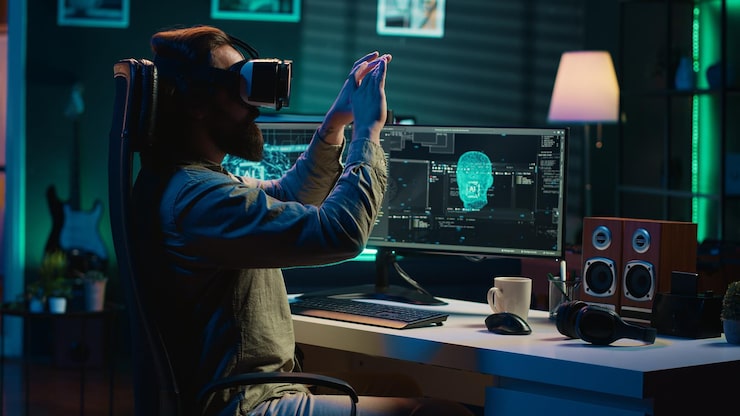
Gaming AI Tools are redefining the way players engage with virtual worlds. From adaptive enemies to dynamic storytelling, artificial intelligence is enhancing immersion, challenge, and personalization in modern gaming. As the gaming industry continues to grow, AI-driven innovations are becoming central to creating experiences that captivate players for hours.
The Evolution of AI in Gaming
Artificial intelligence has evolved from simple pathfinding algorithms to complex systems capable of learning and adapting. Early video games relied on predictable patterns, making gameplay repetitive. Today, Gaming AI Tools analyze player behavior in real-time, adjusting difficulty levels, generating unique challenges, and providing personalized experiences.
For example, in modern role-playing games, AI algorithms track how players approach quests, tailoring NPC behavior and enemy strategies to ensure that each gameplay session feels fresh. This evolution has transformed gaming from a static pastime into a dynamic, responsive experience.
Adaptive Gameplay with AI
One of the most compelling features of Gaming AI Tools is adaptive gameplay. By monitoring player decisions, AI can modify in-game scenarios to maintain engagement. In competitive games, AI opponents learn from player strategies, offering new challenges and preventing predictability.
Consider a player navigating a stealth-based game. AI tools dynamically adjust guard patrols and environmental obstacles based on the player’s approach. This ensures that even experienced gamers encounter novel scenarios, enhancing replayability and immersion.
Enhancing Storytelling and Immersion
AI is also transforming storytelling within games. Dynamic narrative engines use AI to create branching storylines that respond to player choices. This allows developers to craft complex worlds where decisions matter, and the game reacts authentically to player behavior.
A prime example is in open-world RPGs, where NPCs remember player actions, influencing future interactions and plot developments. Gaming AI Tools make these worlds feel alive, with rich, immersive experiences that encourage players to explore and experiment.
Real-Time Personalization
Modern Gaming AI Tools enable real-time personalization, adapting gameplay to suit individual player preferences. Machine learning algorithms analyze data such as skill level, play style, and in-game decision-making to modify difficulty, recommend strategies, and even suggest equipment or abilities.
For instance, an AI-driven racing game might adjust opponent speed and track hazards based on a player’s performance, maintaining a balance between challenge and enjoyment. Personalized gaming ensures that players remain engaged without feeling overwhelmed or bored.
AI in Multiplayer and Online Games
In multiplayer and online games, AI has become critical for matchmaking, anti-cheat systems, and content moderation. AI-driven matchmaking ensures balanced games by pairing players of similar skill levels. Simultaneously, AI monitors gameplay for unfair advantages or toxic behavior, preserving a positive gaming environment.
Additionally, AI tools can generate adaptive in-game events, such as limited-time challenges or dynamic quests, creating a shared experience that evolves alongside the player community. This enhances social interaction while keeping content fresh and exciting.
Real-World Examples of Gaming AI Tools
Several high-profile games demonstrate the power of Gaming AI Tools. In strategy games, AI opponents analyze player tactics and develop counter-strategies. In open-world adventures, AI manages ecosystems, NPC behavior, and procedural events that keep the environment unpredictable.
For example, a popular battle royale game uses AI to dynamically populate the map, control loot drops, and adjust enemy spawn points based on player density. These AI-driven decisions ensure that no two matches are ever the same, keeping players engaged and challenged.
Emerging Trends in Gaming AI
The future of Gaming AI Tools points to deeper personalization, procedural content generation, and immersive virtual reality experiences. AI-driven storytelling, natural language processing, and emotion recognition are increasingly integrated to create characters that respond realistically to player interactions.
Additionally, AI tools are helping developers optimize game design by analyzing large datasets from player feedback and gameplay metrics. This allows studios to refine mechanics, balance gameplay, and introduce new features that resonate with audiences.
Building a Better Player Experience
Implementing Gaming AI Tools effectively requires a balance between challenge, fairness, and immersion. Developers must ensure AI systems enhance enjoyment without creating frustration or predictability. By blending adaptive gameplay, intelligent NPC behavior, and personalized experiences, games can captivate audiences and encourage long-term engagement.
For example, indie developers use AI-powered procedural generation to create expansive worlds on limited budgets, allowing players to explore vast, unique environments without repetitive patterns. Meanwhile, AAA studios integrate sophisticated AI systems to craft cinematic narratives and competitive multiplayer ecosystems.
Tips for Gamers Leveraging AI Tools
Players can maximize their experience with AI-driven games by understanding how AI affects gameplay. Observing enemy patterns, experimenting with different strategies, and adapting to AI responses can deepen engagement. Additionally, leveraging AI-assisted tutorials, hints, and analytics can help players improve skills and explore new strategies.
Gamers also benefit from AI tools in content creation, using AI-assisted streaming, replay analysis, and highlight generation to share gameplay moments and engage communities across social platforms.
Read also:
sfmcompileclun
gimkit /join
gimkir join
gimkit joijn
sri lanka national cricket team vs new zealand national cricket team match scorecard
west indies cricket team vs australian men’s cricket team match scorecard
afghanistan national cricket team vs bangladesh national cricket team players