
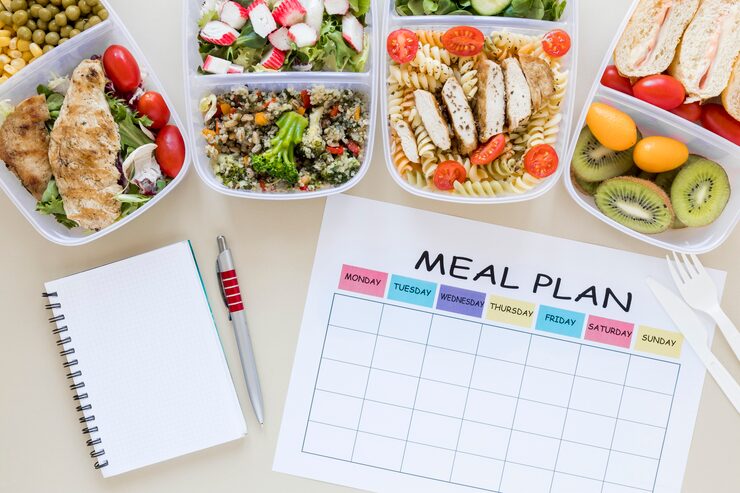
Food Meal Planning Ideas have become essential for anyone striving to eat healthily while managing a busy lifestyle. Organizing weekly menus not only saves time and reduces stress but also ensures a balanced diet for the entire family. From working professionals to students and parents, adopting structured meal planning can transform the way we approach cooking, grocery shopping, and overall nutrition.
The secret behind successful meal planning lies in combining creativity with practicality. By allocating specific days for particular meals, you can streamline your cooking routine, minimize food waste, and enjoy diverse dishes without feeling repetitive. Many households report that once they implemented weekly meal plans, grocery bills dropped and mealtime stress significantly decreased.
Understanding the Benefits of Meal Planning
Meal planning goes beyond simply deciding what to eat each day. It promotes healthier eating habits by encouraging the inclusion of various nutrients and portion control. Using Food Meal Planning Ideas, you can ensure that every meal is nutritionally balanced, incorporating proteins, carbohydrates, and fresh vegetables or fruits.
A working mother shared her experience of planning meals for her family: by dedicating Sundays to prep ingredients for the week, she could quickly assemble dinners on weekdays without scrambling last minute. This approach demonstrates how structured meal planning fosters efficiency and consistency in maintaining a nutritious diet.
Creating a Weekly Menu Template
A practical way to start is by designing a weekly menu template. Divide the week into days and allocate meals for breakfast, lunch, and dinner. This approach allows flexibility while providing a clear framework to follow. Include one or two “theme nights,” such as Italian or Asian cuisine, to keep the menu exciting.
For instance, a college student experimenting with meal prep found that labeling days as “Meatless Monday” or “Taco Tuesday” simplified decisions and encouraged trying new recipes. Using Food Meal Planning Ideas in this way turns meal planning into a fun and creative activity rather than a tedious task.
Balancing Nutrition and Variety
One of the main challenges in meal planning is maintaining variety without sacrificing nutrition. Rotating proteins, incorporating seasonal vegetables, and trying diverse grains like quinoa, barley, or brown rice ensures meals are both wholesome and interesting.
A dietitian recommended using color-coded ingredients in the menu plan. By visually balancing different colors on the plate, families can intuitively ensure a range of vitamins and minerals. This visual strategy complements Food Meal Planning Ideas by making nutrition tracking easier and more engaging.
Incorporating Quick and Easy Recipes
While meal planning is beneficial, not every day allows for extensive cooking. Including quick and easy recipes that require minimal preparation is crucial. For example, salads with pre-cooked proteins, overnight oats for breakfast, and one-pan stir-fries can save time while keeping meals satisfying.
A young professional shared that pre-chopping vegetables and storing them in containers on Sunday allowed her to assemble dinners within 15 minutes on busy weekdays. Integrating such time-saving techniques demonstrates how Food Meal Planning Ideas adapt to modern, fast-paced lifestyles.
Shopping Efficiently for the Week
Organized grocery shopping is an integral part of effective meal planning. Creating a list based on the weekly menu minimizes impulsive purchases and ensures you have all ingredients at hand. Some planners recommend shopping for pantry essentials in bulk, while fresh produce can be bought mid-week if needed.
A blogger who manages a family of four noted that grocery trips reduced from three times a week to one, saving time and money while decreasing food waste. Strategic shopping aligned with Food Meal Planning Ideas ensures the entire plan remains practical and sustainable.
Prepping and Storing Ingredients
Meal prep is not just about cooking; it includes washing, chopping, and storing ingredients. Investing in quality containers, labeling them, and using freezer-friendly options allow meals to stay fresh longer. This reduces daily effort and makes assembling meals faster.
For example, pre-roasted vegetables and cooked grains stored in airtight containers enabled a single parent to quickly prepare lunches for school and work. Applying Food Meal Planning Ideas at the prep stage makes the week’s meals seamless and stress-free.
Adjusting Plans Based on Lifestyle
Flexibility is key. Life can be unpredictable, and meal plans should accommodate changes in schedules, social events, or unexpected work commitments. Incorporating leftovers creatively or having a “backup meal” list ensures consistency without rigidity.
A college student shared how planned “swap days” allowed her to attend social gatherings while sticking to her nutrition goals. By balancing structure with flexibility, Food Meal Planning Ideas become practical tools rather than rigid rules.
Making Meal Planning Enjoyable
Finally, meal planning can be a creative and enjoyable activity. Experimenting with new recipes, involving family members in planning, and exploring global cuisines make the process engaging. Tracking meals through apps or journals can also add an interactive element.
For instance, a couple used weekly meal planning as a shared hobby, trying one new recipe each week. This approach enhanced both their culinary skills and quality time together, illustrating that effective Food Meal Planning Ideas can also foster connection and enjoyment.
Read also:
bangladesh national cricket team vs sri lanka national cricket team
south africa national cricket team vs australian men’s cricket team match scorecard
shubhman gill height
shubman gill height feet