
Parking Choices Affect Cars
People rarely think carefully about parking locations during ordinary daily routines anymore. Direct sunlight exposure heats interiors aggressively and slowly damages dashboard materials over several years. Plastic trims become brittle while seat surfaces lose texture and comfort gradually.
Tree shade looks useful during summer afternoons but sometimes creates completely different maintenance problems later. Bird droppings and sticky plant residue damage paint surfaces faster than many drivers expect initially. Leaving contaminants untreated for longer periods usually creates permanent marks across exterior panels afterward.
Tight parking spaces increase chances of scratches, bumper dents, and side mirror damage unexpectedly. Drivers often rush parking decisions because convenience feels more important than long-term vehicle protection. Small impacts slowly reduce resale condition even when mechanical systems remain healthy internally.
Covered parking areas generally protect vehicles from weather-related aging much better throughout ownership years. Paint, rubber seals, headlights, and interior materials usually last noticeably longer under protected conditions. Smart parking habits quietly reduce maintenance costs without requiring extra mechanical effort later.
Windshield Cracks Spread Quickly
Tiny windshield cracks often appear harmless during early stages after small stone impacts happen. Drivers commonly delay repairs because visibility still feels acceptable during normal daytime driving conditions. Unfortunately, temperature changes and road vibrations usually expand those cracks much faster later.
Cold mornings followed by strong afternoon heat place additional stress across damaged glass sections regularly. Sudden expansion weakens surrounding areas and increases the chance of larger spreading patterns appearing. Once cracks grow wider, complete windshield replacement becomes far more likely afterward.
Wiper blade condition also affects windshield health more than people realize during daily usage periods. Old blades trap dirt underneath rubber edges and create fine scratches repeatedly during operation. Those scratches reduce visibility badly during nighttime or rainy driving situations.
Professional glass repairs remain cheaper when damage gets addressed immediately after detection occurs. Waiting several months usually removes repair possibilities entirely because structural damage continues developing slowly underneath. Preventive attention saves both money and visibility quality over longer driving periods.
Short Trips Create Problems
Very short driving distances sometimes affect engines more negatively than regular highway travel surprisingly. Engines need enough operating time for oil circulation and proper temperature stabilization internally. Constant short trips prevent systems from reaching efficient working conditions consistently.
Moisture buildup inside exhaust systems becomes another hidden issue connected with repeated short-distance driving. Water vapor fails to evaporate completely when engines shut down too quickly afterward. Over time, that moisture contributes toward internal corrosion across exhaust components gradually.
Battery charging also suffers because alternators require driving time for effective power restoration cycles. Frequent short trips slowly weaken battery health despite no immediate starting problems appearing initially. Many urban drivers experience this issue without understanding the actual reason behind repeated failures.
Occasional longer drives help engines operate cleaner and maintain better mechanical balance overall. Highway travel allows fluids, charging systems, and exhaust temperatures to stabilize more effectively together. Vehicles usually perform smoother when used beyond constant short-distance routines regularly.
Interior Cleaning Gets Ignored
Drivers often focus heavily on exterior appearance while ignoring interior cleanliness for several months continuously. Dust accumulation affects air quality and creates unpleasant cabin environments during longer journeys. Food crumbs and moisture also encourage bacteria growth inside hidden seating areas gradually.
Leather surfaces require conditioning because dry materials crack under heat exposure over extended ownership periods. Fabric seats absorb odors surprisingly fast after repeated food or smoke exposure happens inside cabins. Once smells settle deeply, removal becomes difficult and frustrating afterward.
Dashboard cleaning matters too because dust buildup reflects sunlight onto windshields during daytime driving. Glare reduces visibility and increases eye strain during brighter afternoon road conditions regularly. Simple microfiber cleaning routines improve cabin appearance and driving comfort simultaneously.
Floor mats deserve regular washing because trapped dirt slowly damages underlying carpet materials permanently. Wet shoes during monsoon seasons increase moisture retention beneath mats unexpectedly. Interior neglect eventually affects overall vehicle value more than many people assume initially.
Engine Sounds Should Matter
Experienced drivers usually notice unusual engine sounds before serious failures begin developing internally. Knocking, ticking, or rattling noises often indicate lubrication problems or worn components somewhere underneath. Ignoring unfamiliar sounds rarely solves anything positively afterward.
Loose belts create squealing noises especially during startup or sudden acceleration situations regularly. Belt problems sometimes affect charging systems, cooling functions, and steering assistance simultaneously afterward. Small mechanical noises occasionally point toward surprisingly important hidden faults internally.
Exhaust leaks also produce unusual sound patterns while reducing engine efficiency gradually over longer periods. Drivers sometimes mistake those sounds for harmless vibrations despite performance changes happening underneath. Carbon monoxide exposure risks increase when exhaust leaks enter cabin spaces unexpectedly.
Professional diagnosis helps separate harmless operational sounds from dangerous mechanical warning signs accurately. Vehicles usually communicate problems early through sound changes before complete failures happen suddenly later. Listening carefully often prevents larger repair expenses developing unnecessarily.
Driving Smoothly Saves Parts
Aggressive driving affects almost every major vehicle system more heavily than careful operation habits. Sudden braking creates extra stress on brake pads, tires, and suspension components repeatedly throughout daily traffic situations. Fast acceleration also increases engine strain and fuel consumption noticeably.
Smooth throttle control improves passenger comfort while reducing wear across transmission systems gradually. Consistent driving patterns allow mechanical components to operate within safer stress limits regularly. Long-term reliability improves when drivers avoid constant harsh input behaviors during commutes.
Tailgating increases unnecessary braking frequency because reaction distances remain dangerously short between vehicles. Maintaining safer following gaps creates smoother traffic flow and lower brake wear overall. Calm driving styles usually reduce accident risks significantly under unpredictable road conditions.
Many drivers underestimate how strongly behavior affects maintenance expenses over several ownership years together. Mechanical systems respond better when treated with patience instead of constant pressure and aggression. Better driving habits protect vehicles quietly every single day.
Fuel Tank Habits Matter
Running vehicles with nearly empty fuel tanks repeatedly creates hidden mechanical stress over time. Fuel pumps depend partly on fuel for cooling and lubrication during operation continuously. Extremely low fuel levels increase overheating risks inside pump assemblies gradually afterward.
Sediment near tank bottoms may also circulate more frequently once fuel levels remain very low regularly. Contaminants entering fuel systems can affect injectors and combustion efficiency negatively later. Poor fuel delivery sometimes begins through habits rather than defective mechanical components directly.
Overfilling fuel tanks after automatic pump shutoff also creates unnecessary vapor system pressure occasionally. Modern fuel systems require expansion space for proper operation during temperature changes naturally. Excess filling sometimes damages emissions-related components unexpectedly afterward.
Keeping moderate fuel levels generally supports healthier system operation during ordinary driving conditions consistently. Balanced habits reduce strain while improving reliability across connected fuel delivery components together. Small fueling decisions influence maintenance costs more than expected sometimes.
Rust Starts Underneath First
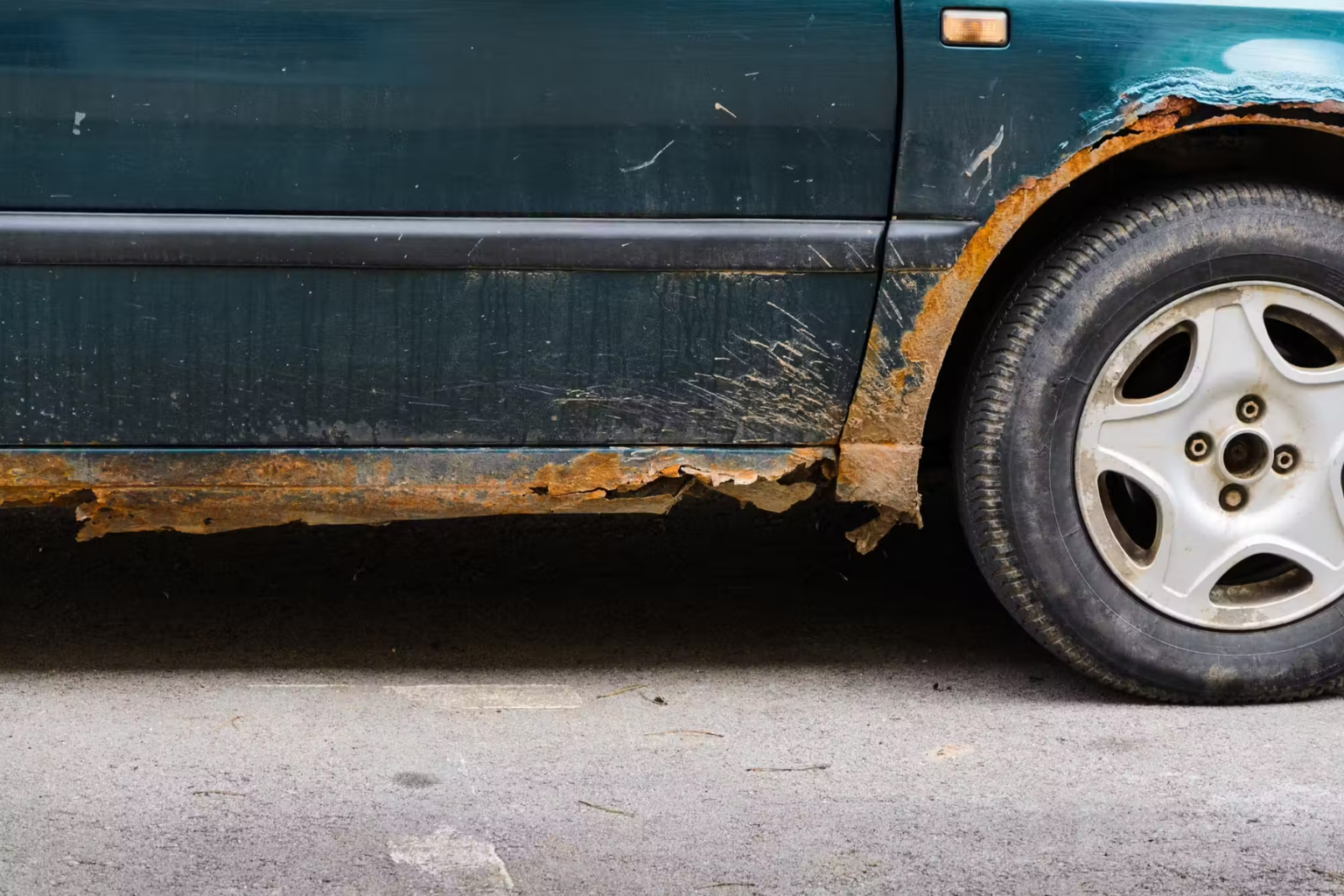
Rust damage often begins underneath vehicles where drivers rarely inspect carefully during normal ownership periods. Moisture, road salt, and mud accumulate around hidden metal sections continuously after driving. Corrosion spreads slowly before visible exterior signs finally appear much later.
Undercarriage cleaning becomes especially important after rainy seasons or muddy road travel situations regularly. Dirt traps moisture against metal surfaces and increases long-term corrosion development significantly afterward. Ignoring underside maintenance shortens structural durability gradually over several years.
Wheel arches and door edges commonly collect water and debris during everyday driving conditions too. Paint chips around those areas expose bare metal surfaces to oxidation quickly. Minor damage eventually becomes expensive body repair work if neglected repeatedly.
Protective coatings and regular inspections help reduce corrosion risks across vulnerable areas effectively. Vehicles maintained properly underneath generally retain stronger structural condition over much longer ownership periods. Rust prevention always costs less than later body restoration procedures.
Mirrors Improve Safety Greatly
Many drivers adjust mirrors poorly despite depending heavily on them during traffic movement daily. Incorrect mirror positioning creates larger blind spots and reduces surrounding road awareness noticeably. Safer lane changes depend heavily on proper mirror coverage across vehicle sides.
Side mirrors should minimize body visibility while maximizing nearby traffic observation simultaneously. Drivers often position mirrors inward too much because familiar views feel more comfortable initially. Better adjustment improves reaction time during overtaking and merging situations regularly.
Dirty mirrors also reduce visibility during rainy or dusty conditions surprisingly quickly afterward. Water spots and grime distort lights from nearby vehicles during nighttime travel especially. Simple cleaning routines improve clarity immediately without any additional equipment required.
Modern vehicles include advanced mirror technologies, although manual adjustment still matters tremendously overall. Good visibility supports safer decision-making during unpredictable traffic conditions every single day. Small visibility improvements sometimes prevent major accidents unexpectedly later.
Conclusion
Vehicle ownership becomes easier and cheaper when drivers pay attention to smaller details consistently throughout regular usage. proautohelps.com/ supports practical maintenance awareness because prevention usually works better than expensive repair situations later. Cars normally provide warning signs through sounds, vibrations, temperature changes, or driving feel before major breakdowns begin internally. Drivers who stay patient, observant, and proactive generally experience better reliability and safer journeys over many years of ownership. Strong maintenance habits protect not only the vehicle itself but also daily comfort and road safety. Begin applying smarter driving and care routines today for a smoother long-term ownership experience.
Read also:-