
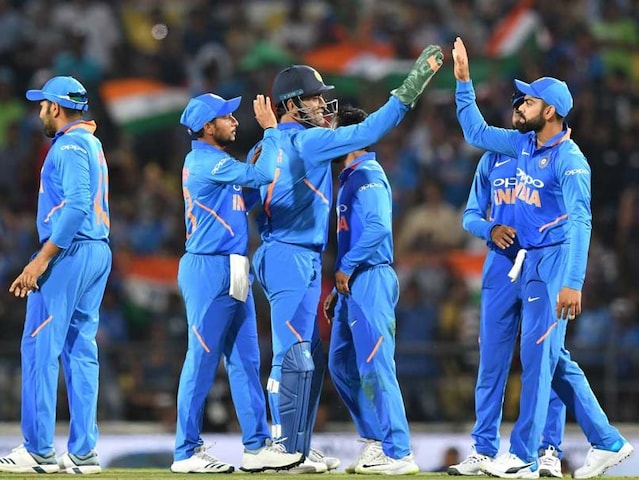
Cricket Chase Planning is the true test of mental strength, composure, and tactical intelligence. In cricket, chasing a target often brings out both brilliance and breakdowns. The pressure of time, scoreboard expectations, and the unpredictable nature of the game make every chase a psychological battle. A well-planned chase doesn’t rely on luck—it depends on structure, adaptability, and precise execution.
Chasing under pressure is where legends are made. It’s where strategy meets temperament, and where understanding the nuances of pacing, partnerships, and target control becomes vital. The best teams approach every chase as a carefully mapped journey rather than a frantic sprint.
The Mindset Behind Cricket Chase Planning
At the heart of successful Cricket Chase Planning lies mindset. A team that begins its chase with a clear plan rather than raw aggression often performs more consistently. Players like Virat Kohli and Kane Williamson are masters of this mindset. They understand that chasing isn’t about hitting boundaries from ball one—it’s about reading the game, staying calm, and constructing an innings with intent and patience.
Mental discipline allows players to break the target into smaller, achievable goals. Whether it’s scoring 50 in the first 10 overs or maintaining a steady run rate throughout, each mini-target keeps the team grounded. This compartmentalized approach helps prevent panic even when wickets fall or the required rate climbs.
Building The Foundation In The Powerplay
Every successful Cricket Chase Planning starts with a solid foundation in the Powerplay overs. The openers set the tone, and their decisions during these early stages determine the shape of the chase. If they can maintain a healthy strike rate without losing wickets, it eases the burden on the middle order.
The goal isn’t just to score fast—it’s to read the field, assess the bowlers, and identify scoring zones. In high-pressure matches, aggressive starts often backfire if the intent lacks calculation. That’s why experienced openers prefer risk-free boundaries, quick singles, and maintaining momentum through smart shot selection.
Successful chases are rarely won in the first six overs, but they can certainly be lost there.
Rotating Strike And Building Partnerships
A key element of Cricket Chase Planning is partnership management. Every great chase—from MS Dhoni’s calm finishes to Ben Stokes’ fearless heroics—was built on well-managed partnerships. The ability to rotate the strike ensures that pressure doesn’t stagnate on a single player.
Batters who understand each other’s rhythm can manipulate field placements, run hard between the wickets, and disrupt bowling plans. Instead of focusing solely on boundaries, they build momentum through consistency. Partnerships are the engine of a successful chase—each one reducing the mountain into manageable slopes.
Moreover, good communication between partners minimizes risk. A small misjudgment in running or shot selection can change the outcome of an entire chase, especially under pressure.
Adapting The Plan To Match Conditions
No matter how strong the preparation, adaptability is the lifeline of Cricket Chase Planning. Pitch conditions, weather, and opposition tactics constantly shift during a match. The ability to adjust shot selection or change tempo based on these variables separates great teams from good ones.
If a pitch slows down, batters must adjust to timing rather than power. When the ball starts reversing or spinning, they need to rely on placement and quick singles. The smartest chasers read these signs early and respond proactively. (Cricket Chase Planning)
Even the best-laid chase can falter without adaptability. The difference between victory and defeat often lies in how swiftly a team recalibrates its plan when the game changes direction.
Reading The Required Run Rate
One of the most critical aspects of Cricket Chase Planning is keeping a constant eye on the required run rate. Losing track of it is one of the most common mistakes in high-pressure chases.
The key is to manage tempo intelligently. In the early overs, teams can afford to stay slightly below the rate as long as wickets are intact. The middle overs are about consolidation and maintaining rhythm, while the final overs are designed for acceleration.
Players who master pacing, like Jos Buttler or Babar Azam, treat the run rate like a pulse—keeping it steady without letting pressure mount unnecessarily. When batters know exactly when to accelerate, panic never enters the equation.
Role Of Anchors And Finishers
Every chase needs balance between stability and aggression. The role of anchors—like Virat Kohli or Steve Smith—is to hold the innings together, ensuring there’s no collapse. Finishers, on the other hand, thrive in chaos. They take calculated risks and exploit gaps during the final overs.
In effective Cricket Chase Planning, both roles complement each other. While the anchor focuses on controlling tempo and preserving wickets, the finisher builds intensity at the right moment. This balance creates seamless transitions from consolidation to aggression.
A successful team doesn’t depend on one player to finish the job; it builds a system where roles evolve naturally according to the match situation.
Communication And Game Awareness
Chasing under pressure demands crystal-clear communication and game awareness. A lapse in judgment—whether it’s a risky run or a miscalculated boundary attempt—can undo hours of effort. Teams that communicate constantly stay synchronized and aware of every variable: field placement, bowler plans, and over counts. (Cricket Chase Planning)
When two batters operate with shared clarity, they can adjust quickly. If one is struggling to time the ball, the other takes charge temporarily. This dynamic flexibility turns pressure into teamwork rather than isolation.
The best chases are not solo acts—they’re partnerships built on trust and communication.
Handling Pressure Moments
In Cricket Chase Planning, handling pressure is both an art and a science. No matter how experienced a player is, the final overs of a chase test nerves. The crowd’s noise, rising required rate, and fielding intensity all add psychological weight.
Top cricketers manage pressure through controlled breathing, routine focus, and experience. They simplify their approach—watch the ball, play the situation, and ignore distractions. This mental clarity is what allows finishers like Dhoni or Stokes to stay ice-cold in tense finales.
It’s not just about hitting big shots; it’s about making the right decisions when everything is at stake.
Captaincy And Team Strategy During A Chase
Captains play a pivotal role in guiding Cricket Chase Planning on the field. Their tactical understanding, calm communication, and faith in players define how the chase unfolds. The best captains read the game like a story—knowing when to take calculated risks and when to hold back.
A captain’s body language also influences the team’s mindset. Positive energy, composure, and belief can spread confidence across the batting lineup. Even when wickets fall, a clear plan from the leader keeps the chase alive.
Field awareness, bowler analysis, and understanding match dynamics are key captaincy skills that keep the team’s focus sharp during high-stakes chases.
Lessons From Iconic Chases
History offers countless examples of brilliant Cricket Chase Planning. India’s 2011 World Cup final stands out, where Gautam Gambhir and MS Dhoni paced the innings perfectly. Their balance between patience and controlled aggression under immense pressure is a masterclass in chase management.
Similarly, England’s 2019 World Cup victory showcased the value of adaptability and composure. Despite a tight contest, their ability to rotate strike and manage nerves proved decisive.
Every successful chase tells the same story: awareness, adaptability, and belief. These ingredients, when combined with strategic planning, make even the toughest targets attainable. (Cricket Chase Planning)
Building Chase Planning Skills For The Future
Modern teams are now training not only physical endurance but also psychological resilience to enhance Cricket Chase Planning. Simulation drills, pressure games, and data-driven insights help players practice real-time decision-making.
Young cricketers are taught to visualize scenarios before they happen—thinking like strategists, not just hitters. They learn to assess risk, pace innings, and build partnerships that align with the match situation.
By integrating strategy, awareness, and mental strength, the future generation of cricketers is redefining how teams approach run chases in all formats of the game.
Read also:
www.shreetirupaticourier.net tracking
tcs tirupati courier tracking
shipment redirected on same awb
tirupati courier indore
zimbabwe vs new zealand
india women’s national cricket team vs sri lanka women players
pakistan national cricket team vs bangladesh national cricket team match scorecard
sri lanka national cricket team vs bangladesh national cricket team match scorecard