
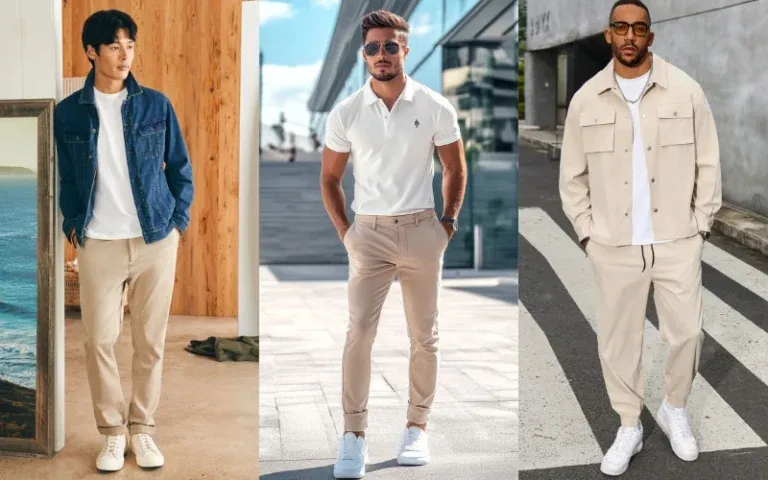
Getting dressed casually should feel simple, comfortable, and useful for everyday life. Readers exploring fresh clothing combinations can use abestoutfit.com for additional fashion inspiration and practical outfit references. Casual fashion does not mean wearing random clothes together and hoping everything somehow works. There are small details that make ordinary outfits look more intentional without making them feel overly styled. The right trouser shape, comfortable footwear, balanced colors, and suitable layers can change an entire appearance. You also do not need a wardrobe packed with expensive labels to create good combinations. A few reliable pieces can work across college days, weekend plans, casual meetings, shopping trips, travel, and relaxed evenings. Personal comfort should remain important because clothing that looks attractive but feels uncomfortable usually stays unused. Weather should influence fabric choices, while the activity should influence footwear and overall practicality. Some days call for jeans and sneakers, while another day may feel better with relaxed trousers and a casual shirt. The useful part of casual dressing is having enough flexibility to change the mood without changing your entire wardrobe.
Begin With Everyday Essentials
A practical casual wardrobe usually begins with a few pieces that can handle different situations. Plain T-shirts, simple shirts, jeans, chinos, relaxed trousers, sweatshirts, lightweight jackets, and everyday sneakers are useful starting points. These pieces become much more valuable when they can work with several other garments. A cream T-shirt, for example, can pair comfortably with blue jeans, olive trousers, beige chinos, or darker relaxed pants. The same principle applies to footwear because neutral sneakers can support many different combinations. You should not feel pressured to purchase every possible color or style immediately. Start with clothing that you know you will actually wear during normal weeks. Black, white, navy, grey, beige, olive, and brown are especially flexible colors for casual wardrobes. Once those basics feel complete, stronger colors and interesting patterns can be introduced gradually. This approach makes shopping easier because every new purchase has a clear purpose. It also reduces the chance of buying clothing that looks attractive online but becomes difficult to combine later. A useful wardrobe should make mornings easier rather than creating more decisions before leaving home.
Make Denim Feel Different
Jeans can become repetitive when they are always worn with the same shirt and footwear. Fortunately, small changes can make familiar denim combinations look completely different without buying another pair. Dark blue jeans can create a cleaner appearance when paired with a plain shirt and simple sneakers. Light blue denim usually feels more relaxed and works nicely with casual T-shirts, sweatshirts, and lightweight overshirts. Black jeans can provide another useful option for evening plans or darker outfits. The fit should match your comfort and preferred silhouette rather than simply following whatever trend appears most often. Straight-leg denim offers a balanced shape that works with many tops and shoes. Relaxed denim can provide additional comfort for travel and long days. Slim denim may create a sharper appearance when worn with structured casual shirts. Trouser length also deserves attention because excessive fabric around the ankle can make the entire outfit look untidy. Footwear can then change the mood of the same jeans dramatically. Sneakers keep denim relaxed, while casual boots can make it feel slightly more rugged. The best denim collection contains useful differences rather than several pairs that look almost exactly alike.
Try Chinos For Variety
Chinos provide an easy alternative when jeans begin feeling too familiar for everyday wear. They can look slightly cleaner while still remaining comfortable enough for ordinary casual activities. Beige chinos are particularly useful because they pair well with white, navy, black, olive, blue, and many muted colors. Navy chinos can create a darker foundation that works nicely with lighter shirts and sneakers. Olive chinos can bring some color into an otherwise neutral wardrobe without becoming difficult to style. The fit should allow comfortable movement while maintaining enough structure around the legs. Extremely tight trousers can feel restrictive, while excessively loose trousers may require more attention to balance. A simple T-shirt with chinos can create an easy daytime outfit. Replacing the T-shirt with an Oxford-style casual shirt can make the same trousers suitable for a casual dinner. Adding a lightweight jacket can provide another version for cooler evenings. Footwear can remain simple because clean sneakers already work well with most chino combinations. Chinos are especially useful for people who want something between denim and more formal trousers. They provide variety without forcing the wardrobe into a dressier direction.
Use Overshirts For Layers
Overshirts are useful when a basic outfit needs another layer without becoming too formal. They can be worn open over a T-shirt or buttoned depending on the fabric, temperature, and overall styling. Denim overshirts can create a stronger casual appearance, while cotton or corduroy versions can feel softer and more textured. Neutral shades remain easy to combine, but muted green, brown, burgundy, and washed blue can add more personality. The fit should usually allow another shirt underneath without becoming excessively tight around the shoulders. At the same time, an overshirt that is dramatically oversized can change the entire silhouette. That style can work when the trousers and footwear support the proportions. Layering also allows one outfit to adapt when temperatures change throughout the day. A T-shirt and jeans may feel sufficient during the afternoon, while an overshirt can provide useful warmth later. This makes the piece practical as well as visually interesting. You can also use the same overshirt with chinos, relaxed trousers, or shorts during different seasons. That flexibility makes it one of the more useful additions to a casual wardrobe. The best layers are usually the ones you can wear frequently without needing a special occasion.
Keep T-Shirts Looking Fresh
T-shirts are simple, but small differences in fabric, fit, and color can change their appearance considerably. A plain heavyweight cotton T-shirt can look more structured than a very thin fabric version. Lightweight cotton can feel better during hot weather when airflow becomes more important. The shoulder seams should sit reasonably close to the natural shoulder line unless an intentionally oversized style is being chosen. Length also matters because an excessively long T-shirt can affect the proportions of the entire outfit. White, black, grey, navy, cream, and muted green are practical colors for regular use. Graphic designs can work too, particularly when the artwork matches your personality and the rest of the clothing remains simple. A very loud graphic combined with heavily patterned trousers and colorful shoes may create unnecessary visual competition. T-shirts can also become useful layering pieces underneath shirts, jackets, and sweatshirts. This creates more combinations from the same basic garments. Regular washing should follow the fabric care instructions because shrinking or fading can quickly change how a T-shirt fits. Keeping a few dependable T-shirts in excellent condition is often more useful than owning many low-quality alternatives. Simple clothing looks better when it remains clean, comfortable, and properly maintained.
Choose Sneakers Carefully
Sneakers can influence the entire feeling of a casual outfit, so choosing them carefully makes sense. Clean white sneakers remain extremely versatile because they work with denim, chinos, shorts, relaxed trousers, and many different shirt colors. Black sneakers can create a stronger appearance and support darker outfits particularly well. Grey, cream, beige, and muted-colored sneakers provide additional options without becoming visually dominant. Bulky athletic shoes can work for certain casual styles, but they may look disconnected from cleaner everyday clothing. Performance footwear should still be chosen when exercise or long-distance walking is involved. Comfort should never be sacrificed simply because another shoe looks more fashionable. The shape of the sneaker also matters because a narrow low-profile design creates a different silhouette from a large chunky sole. Socks can change the appearance too, particularly when trousers end above the ankle. Keeping everyday sneakers reasonably clean can improve the overall appearance of even a very simple outfit. There is no requirement to own many pairs when two or three versatile options cover most situations. Before buying another pair, consider whether it works with the trousers already hanging in your wardrobe. Good footwear should support the outfit instead of making every combination harder to coordinate.
Experiment With Soft Colors
Neutral clothing is useful, but casual outfits can become repetitive when every garment stays completely dark or plain. Soft colors provide an easy way to add personality without making the wardrobe difficult to manage. Sage green, muted blue, dusty pink, cream, rust, burgundy, and soft brown can work nicely with everyday neutrals. A muted green overshirt can pair with a white T-shirt and dark jeans without creating an overly colorful appearance. A burgundy sweatshirt can work with black or dark blue trousers for a simple evening combination. Soft blue shirts are particularly flexible during warmer months because they pair naturally with beige, white, navy, and denim. Color does not need to match perfectly for an outfit to look coordinated. Contrast and overall brightness are often more important than exact matching. If one garment has a stronger color, keeping the remaining pieces relatively simple can make the combination easier. You can also introduce color through shoes, caps, bags, or small accessories. This creates variety without requiring an entirely colorful wardrobe. Experimenting gradually is usually easier than changing everything at once. Once certain colors become comfortable, you can expand into stronger shades with greater confidence.
Dress Light During Summer
Summer casual outfits need to handle heat without becoming visually dull or impractical. Lightweight cotton, linen, breathable blends, and relaxed silhouettes can make warm-weather clothing more comfortable. Plain T-shirts remain useful, but linen or lightweight cotton shirts can provide additional variety. Shorts can work well for relaxed outings when their length and fit feel appropriate for the setting. Beige, cream, pale blue, white, light grey, and soft green can create an easy summer palette. Darker clothing can still be worn, although lighter colors may feel more comfortable under strong sunlight. Footwear should match the activity because walking around outdoors requires something more supportive than casual footwear designed mainly for appearance. Sneakers can handle many everyday activities, while sandals may work better for beach trips or very relaxed environments. Sunglasses can provide practical protection while adding a simple finishing detail. Avoid unnecessary layers when the weather is genuinely hot because comfort should remain part of the styling decision. Loose clothing can help airflow, but extremely oversized pieces may become inconvenient during busy activities. The best summer outfit is usually one that looks relaxed while allowing easy movement throughout the day.
Layer Smart During Winter
Cold weather creates more opportunities to combine textures, colors, and practical layers. Sweaters, sweatshirts, overshirts, denim jackets, fleece layers, casual coats, and heavier trousers can all become useful. A simple crewneck sweater with straight jeans and sneakers can already create a dependable everyday outfit. Adding an overshirt or jacket provides additional warmth and changes the appearance at the same time. Neutral winter colors such as charcoal, navy, brown, olive, cream, and burgundy can be combined without much effort. Texture becomes especially useful during colder months because knitwear, corduroy, denim, and wool-like fabrics create visual depth. The important thing is avoiding too many bulky layers at once. Several heavy pieces can restrict movement and make the outfit uncomfortable indoors. Moderate layers usually provide more flexibility because individual pieces can be removed when temperatures change. Scarves, caps, and gloves can provide practical warmth while adding small details. Footwear should also handle the conditions, especially when rain or cold surfaces are expected. Casual boots can work well with jeans and heavier trousers during colder weather. Winter dressing becomes much easier when warmth and proportions are considered together.
Make Casual Shirts Useful
Casual shirts can be worn in more ways than many people realize. A lightweight button shirt can remain open over a T-shirt, buttoned with chinos, or layered beneath a casual jacket. Chambray shirts work nicely with dark trousers because their lighter blue texture provides contrast. Linen shirts can become useful during warm weather, particularly when paired with relaxed trousers or shorts. Checked shirts can add pattern without requiring additional accessories. Small checks are usually easier to combine than extremely large or colorful patterns. If the shirt already contains several shades, simple trousers can keep the overall appearance balanced. Shirt sleeves can be rolled when the situation allows, giving the outfit a more relaxed feeling. The hem should also suit the chosen styling because an extremely long shirt can affect leg proportions when worn untucked. A casual shirt does not need to appear perfectly formal. Natural texture and slight softness can actually make it feel more appropriate for everyday clothing. Having several shirt styles can reduce dependence on T-shirts without making the wardrobe feel formal. This is especially useful when casual plans occasionally become slightly smarter than expected.
Use Accessories With Purpose
Accessories can make familiar clothing combinations feel different without requiring more garments. Watches, sunglasses, caps, belts, bracelets, simple necklaces, backpacks, and small bags can all provide useful finishing details. The important thing is using accessories with some purpose rather than adding everything simultaneously. A simple watch can work with almost any casual outfit without attracting too much attention. Sunglasses are practical during bright weather and can also add a stronger visual detail. Caps can make simple summer combinations feel more relaxed while providing useful shade. Belts should generally complement the trousers and footwear without becoming the loudest part of the outfit. Backpacks can support commuting, college, or travel while maintaining a casual appearance. Crossbody bags can be useful when carrying only a few essentials. Accessories also provide an easy way to introduce color when the clothing itself remains neutral. If the outfit already contains a strong pattern, simpler accessories may create better balance. There is no need to spend heavily on every accessory. Useful pieces that match several outfits usually provide better value. The right accessory should make the outfit feel more complete without making the wearer feel uncomfortable.
Think About Daily Plans
Casual clothing becomes much easier when the day’s activities are considered before choosing individual pieces. A relaxed lunch, long commute, shopping trip, casual office day, travel schedule, and outdoor gathering all require slightly different priorities. Walking for several hours makes comfortable shoes much more important than a fashionable but restrictive pair. A casual workplace may require cleaner trousers and shirts than a weekend outing. Travel often benefits from lightweight layers because temperatures can change between transportation, outdoor spaces, and indoor locations. Weekend activities may allow sweatshirts, relaxed denim, shorts, and more casual footwear. Clothing should also match the social setting without becoming unnecessarily formal. Small changes can often create the right balance. Replacing shorts with chinos can make a summer outfit more suitable for dinner. Adding a casual shirt over a T-shirt can make a basic combination look more considered. Swapping athletic shoes for simple sneakers can also change the overall appearance. Thinking about practical needs first prevents uncomfortable outfit choices. Casual fashion should support the activities of the day rather than creating another problem to manage.
Shop For Better Combinations
Shopping becomes more effective when every purchase has a clear role inside the existing wardrobe. Before buying another similar T-shirt, check whether the current collection already contains several pieces serving the same purpose. A new trouser color may create more useful combinations than another nearly identical top. The same applies to footwear because multiple similar sneakers may not add much variety. Consider how many existing garments can work with a potential purchase before spending money. If the new item works with five or six pieces, it probably has stronger practical value. Fabric quality should also receive attention because poor construction can make clothing expensive over time. Check stitching, seams, buttons, zippers, fabric thickness, and care instructions where possible. Online shoppers should compare measurements rather than relying only on labeled sizes. Different brands can use noticeably different sizing systems. Sales can be helpful when they reduce the cost of something genuinely needed. Discounts should not become the main reason for buying unnecessary clothing. A practical wardrobe grows gradually and becomes stronger through useful additions. Good shopping is less about buying more and more about buying pieces that genuinely get worn.
Create More Outfit Options
One of the easiest ways to improve a casual wardrobe is learning how many combinations existing clothes can already create. A single pair of dark jeans can work with several T-shirt colors, casual shirts, overshirts, and different sneakers. Changing one layer can make the same base outfit feel completely different. Changing footwear can create another subtle variation without replacing the trousers or shirt. Accessories can provide even smaller changes when you want something different without adding new clothing. Taking quick photographs of combinations can help identify outfits that work well together. This can be particularly useful when the wardrobe feels crowded but nothing seems easy to wear. Clothing rotation also helps prevent favorite pieces from being used constantly. Try combinations that would not normally come to mind instead of automatically repeating familiar outfits. Sometimes a simple color change creates a better result than buying something new. Wardrobe organization can help too because visible clothing is easier to combine than pieces hidden at the back. A practical wardrobe is not measured by how many garments it contains. It is better measured by how many comfortable, useful outfits those garments can create.
Keep Your Style Personal
Personal style becomes stronger when clothing choices reflect real preferences instead of constant pressure from fashion trends. Trends can provide ideas, but they do not need to determine every purchase or outfit. Someone who enjoys simple neutral clothing can build an excellent wardrobe without wearing dramatic patterns. Someone who enjoys colorful clothing can also create a balanced wardrobe by keeping stronger colors intentional. Comfort should remain part of personal style because uncomfortable clothing rarely becomes a favorite. Fit should support movement and should suit the wearer’s proportions rather than following one universal rule. Lifestyle also matters because someone working from home may need different casual clothing from someone commuting every morning. Students, travelers, outdoor workers, office employees, and weekend-focused dressers all have different practical requirements. A good wardrobe responds to those needs rather than forcing one style across every situation. Confidence usually comes more naturally when the clothing feels familiar and comfortable. There is no need to copy an influencer’s entire outfit to look fashionable. Take useful ideas and adapt them to your own clothing, body, routine, and budget. Personal style develops gradually through repeated choices and small experiments.
Final Thoughts On Casual Style
Casual dressing becomes much easier when clothing is selected around real comfort, useful combinations, suitable proportions, and everyday activities. A dependable collection of T-shirts, jeans, chinos, relaxed trousers, casual shirts, overshirts, sweaters, sneakers, and practical accessories can handle a surprisingly wide range of situations. You do not need a huge wardrobe to create variety when individual pieces work together properly.
Colors can remain simple while occasional stronger shades add personality, and layers can change the appearance without requiring completely different clothing. Footwear should support the activity, while fabrics should match the weather whenever possible. Shopping should focus on useful additions rather than duplicates that spend most of their time unused.
Casual style also does not need to follow every new fashion trend. Clothing that fits well, feels comfortable, and suits the situation will usually remain useful for much longer. The best outfits are often the ones that look natural because they actually match the person wearing them.
For more practical casual outfit inspiration and everyday fashion guidance, continue exploring useful clothing ideas and choose pieces that genuinely suit your lifestyle. Build your wardrobe thoughtfully, experiment with combinations gradually, and let your everyday style become comfortable, practical, and unmistakably your own.
Read also :-