
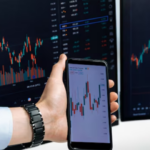
Money on the internet is not behaving like old money systems anymore. It moves faster, it reacts faster, and honestly it sometimes feels like it is doing things before you even fully decide. People open apps just to check something small, and then end up making three or four other financial actions without planning it properly.
The strange part is that most users don’t even feel this shift clearly. It just blends into daily routine. One tap becomes normal. One notification becomes normal. Slowly the whole idea of “thinking before money actions” gets replaced by “doing first, thinking later sometimes.”
There is also a silent pressure built into all these systems. Not obvious pressure, but enough to influence timing, decisions, and attention. Everything is designed to feel simple, but simplicity hides a lot of structure behind it.
Money Apps Everywhere Now
Financial apps are not special tools anymore. They are just part of the phone like messaging or camera apps. People open them multiple times a day without even planning to.
This constant access changes how money feels. It becomes something always available, always movable, always adjustable. That creates comfort, but also removes distance between decision and action.
Earlier, money decisions had natural breaks. You had to go somewhere or wait for something. Now there is no waiting, just immediate access. That shift sounds small but changes behavior a lot.
Even small expenses feel less important when they happen through quick taps. That is a big behavioral change happening quietly in background.
Digital Spending Behavior
Spending behavior online is becoming more reactive than planned. Users often buy or invest based on what they see in the moment rather than long-term planning.
This happens because everything is designed for quick interaction. One-click systems, saved payment methods, and instant confirmations reduce friction completely.
Less friction means less time to think. And less thinking often leads to more frequent decisions. Not always wrong decisions, just more frequent ones.
Over time, users stop noticing individual actions and start only noticing totals. That changes how budgeting feels compared to older methods.
Financial Platforms Influence
Platforms today influence behavior in subtle ways. It is not direct instruction, but design, timing, and presentation that guide actions.
For example, showing “trending” data makes people feel something is important even when they didn’t plan to care about it. Placement of buttons also affects choices more than expected.
Even color schemes and notification timing create psychological effects. Users respond faster when alerts feel urgent or visually strong.
This influence is not always negative, but it is always present. Most users don’t actively notice it happening.
Constant Market Visibility
Markets are now visible all the time. Prices update in real time, charts refresh constantly, and news spreads instantly across platforms.
This visibility creates a sense of movement even when long-term changes are small. Users feel like something is always happening.
That feeling keeps attention locked on short-term changes. Even small fluctuations can feel important because they are constantly displayed.
In older systems, people checked less often, so they naturally focused more on long-term patterns. Now the focus is split into much smaller time segments.
Technology Behind Finance Flow
Behind every simple financial action, there is a large system working quietly. Servers, databases, algorithms, and security layers all operate together.
Users only see the front screen, but behind it, many processes are happening instantly. That hidden complexity makes everything feel smooth on the surface.
Technology has removed delays almost completely. Transactions that once needed hours now happen in seconds or less.
This speed is useful but also reduces natural pauses in decision-making. Those pauses used to help people reflect before acting.
Security Awareness Gaps
Security is a big part of online finance, but many users don’t fully think about it during daily use. Convenience often becomes the priority.
People trust saved logins, quick payments, and auto-filled details because they make life easier. But every convenience also adds dependency on system safety.
Most issues don’t come from systems failing completely. They come from small user mistakes or lack of attention during quick actions.
Awareness about security is improving, but it still lags behind how fast technology is being used.
User Habits Becoming Automatic
Many financial actions are now automatic habits instead of conscious decisions. People don’t think deeply before repeating actions they do daily.
Checking balance, transferring money, or reviewing investments becomes routine behavior. It feels similar to checking messages or social media.
This automatic behavior reduces mental effort but also reduces reflection. People act first and think later more often than before.
Habits are powerful because they don’t require constant decision-making. But they also make it harder to step back and evaluate patterns.
Attention Driven Finance World
Attention has become one of the most valuable parts of digital finance. Platforms compete not just for usage but for repeated attention.
Notifications, alerts, and updates are designed to bring users back again and again. Even small updates can trigger engagement.
This creates a cycle where users check apps frequently even when nothing major is happening. The habit becomes part of daily rhythm.
Over time, attention shifts from long-term thinking to short-term checking behavior. That shift is subtle but strong.
Decision Speed Increasing Fast
Decision speed in finance has increased a lot due to digital tools. People now act in seconds instead of minutes or hours.
This speed feels efficient, but it also reduces time for comparison or reflection. Quick decisions sometimes skip important details.
In some cases, speed helps capture opportunities. In other cases, it leads to unnecessary actions that were not planned properly.
Balancing speed and thinking is becoming one of the main challenges in digital finance behavior.
Information Trust Confusion
There is a lot of financial information available, but not all of it is consistent. Different sources say different things at the same time.
Users often have to decide which information to trust without clear guidance. That creates confusion, especially for beginners.
Even experienced users sometimes rely on pattern recognition instead of full verification. That is faster but not always accurate.
Trust in information is becoming as important as information itself.
Long Term Thinking Decline
Long-term thinking is harder in fast digital systems. Everything is designed to show immediate results and short-term changes.
Users naturally adapt to what they see most often. If short-term data is visible all the time, long-term thinking becomes less frequent.
This does not mean people stop planning long-term completely, but it becomes less dominant in daily decisions.
Rebuilding long-term focus requires conscious effort in fast-moving systems.
Future Finance Environment
Future financial systems will likely become even more automated and connected. Most actions will happen with less manual input.
Artificial intelligence will play a bigger role in predictions and suggestions. Systems will try to guide users more proactively.
However, complexity will not disappear. It will just move behind the scenes while interfaces become simpler.
Users will still need awareness to understand what systems are doing in background.
Conclusion
Digital finance is becoming deeply embedded in everyday behavior, often without users fully noticing the gradual shift. Speed, automation, and constant access are reshaping how decisions are made and how money is perceived in daily life.
The platform onfintechzoom.com represents this evolving financial environment where information and systems are becoming more connected and immediate. In the end, understanding these changes is not about reacting quickly but about observing patterns over time. Stay aware of how tools influence behavior, think before acting, and use financial systems with steady attention and balanced judgment.
Read also :-