
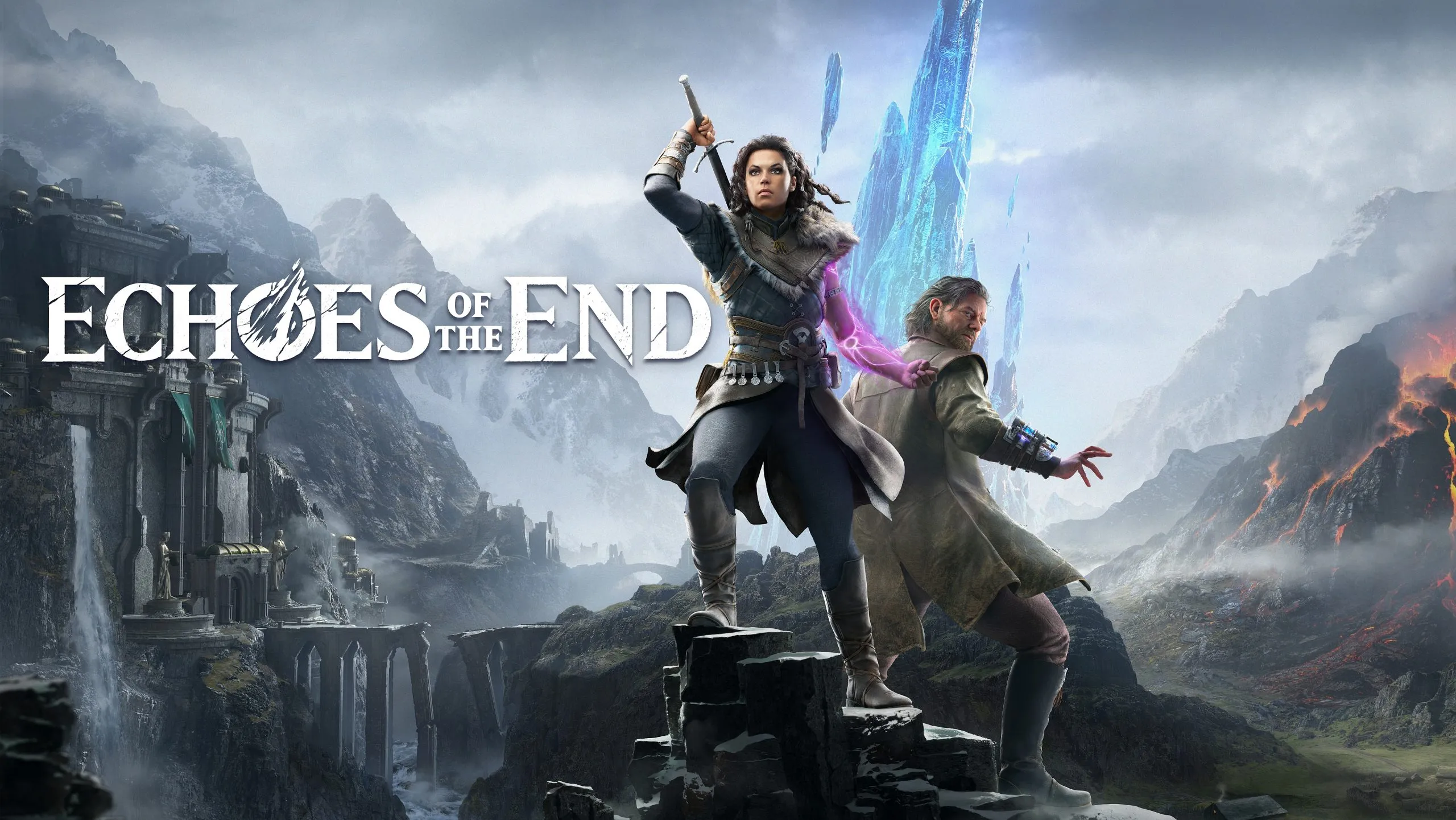
Story-driven action adventures have quietly become the emotional backbone of modern gaming. While flashy mechanics and competitive modes often grab headlines, it’s the powerful narratives, layered characters, and immersive worlds that truly stay with players long after the controller is set down.
If you’ve ever finished a game and sat in silence, processing what just happened, you’ve likely experienced the magic of this genre. These aren’t just games. They’re journeys. They challenge your choices, test your empathy, and sometimes even reshape how you think about storytelling itself.
As someone who has spent years analyzing narrative design trends and observing how players emotionally respond to interactive media, I’ve seen firsthand how this genre has evolved from simple quest-based action to deeply human storytelling experiences.
What Makes Story-driven Action Adventures So Powerful?
At their core, story-driven action adventures merge cinematic storytelling with dynamic gameplay. You’re not just watching events unfold—you’re shaping them.
Unlike purely mechanical shooters or sandbox games, these experiences revolve around characters. Their motivations matter. Their losses hurt. Their victories feel earned. The action sequences are meaningful because they serve the story, not the other way around.
Think about how The Last of Us changed the perception of narrative in gaming. Its post-apocalyptic world wasn’t memorable because of infected enemies alone. It was memorable because of Joel and Ellie’s evolving relationship. The tension between survival and morality gave every encounter emotional weight.
Similarly, God of War reinvented an established franchise by shifting focus from pure spectacle to fatherhood, regret, and legacy. The combat was still intense, but the emotional journey defined the experience.
This emotional layering is what elevates Story-driven action adventures beyond traditional action titles.
The Evolution of Storytelling in Action Games
In the early 2000s, storytelling often took a backseat to gameplay mechanics. Cutscenes existed primarily to justify the next level. But audiences changed. Players wanted depth.
Studios began hiring professional writers, motion-capture actors, and cinematic directors. Narrative structure became more sophisticated. Dialogue systems grew complex. Moral choice systems added replay value.
Uncharted 4: A Thief’s End demonstrated how blockbuster pacing and character-driven storytelling could coexist. Nathan Drake’s final adventure felt like a playable movie, yet it maintained the interactivity that makes gaming unique.
Then came titles like Red Dead Redemption 2, which pushed immersion even further. The world reacted to your actions. Conversations felt organic. Small narrative moments—like sharing a campfire story—built emotional resonance.
This shift didn’t happen overnight. It was the result of technology maturing alongside audience expectations.
Why Players Crave Story-driven Action Adventures Today
Modern players aren’t just looking for fast reflex challenges. They want emotional investment.
Streaming culture and social media have amplified this desire. When a shocking plot twist happens, players want to discuss it. When a character dies, communities grieve together. Narrative creates shared cultural moments.
Psychologically, interactive storytelling triggers deeper emotional engagement. Research in narrative psychology suggests that when individuals actively participate in a story, empathy and memory retention increase. That’s exactly what Story-driven action adventures deliver.
You’re not a passive observer. You’re an active participant.
The Role of Character Development
Character writing is the heartbeat of the genre.
In strong narrative design, characters evolve based on internal conflict, not just external threats. Growth feels earned. Relationships feel authentic.
Horizon Zero Dawn introduced Aloy as more than just a skilled hunter. Her journey of self-discovery, combined with a mystery-driven world, gave players a reason to explore beyond combat.
Meanwhile, Marvel’s Spider-Man balanced superhero spectacle with Peter Parker’s personal struggles. Responsibility, sacrifice, and vulnerability became central themes.
These games succeed because players see pieces of themselves in the protagonists.
Story-driven Action Adventures and Emotional Design
Great narrative games use emotional pacing intentionally.
There’s tension before a boss fight. Relief after survival. Quiet reflection between major events. Designers understand that nonstop action reduces emotional impact.
Cinematic framing, music cues, environmental storytelling, and voice performance work together to create immersion. Every detail reinforces narrative cohesion.
Consider how lighting changes in a pivotal scene. Or how silence can sometimes speak louder than orchestral music. These are deliberate artistic decisions rooted in storytelling craft.
From a design perspective, the integration of narrative and mechanics is crucial. If gameplay contradicts the story’s tone, immersion breaks. The most respected developers prioritize harmony between what players do and what the story communicates.
Technical Innovation Supporting Narrative Depth
Technological advancements have enabled richer storytelling.
Motion capture now captures subtle facial expressions. Real-time rendering allows seamless transitions between gameplay and cutscenes. Advanced AI systems create believable NPC behaviors.
Detroit: Become Human showcased branching narrative complexity. Player choices dramatically altered outcomes, encouraging multiple playthroughs. Every decision felt significant.
These technical leaps allow Story-driven action adventures to deliver cinematic experiences without sacrificing interactivity.
The Business Impact of Narrative-Driven Games
From an industry perspective, narrative-heavy titles are commercially viable and critically acclaimed.
They often dominate award ceremonies and generate long-term engagement. Franchises built on strong storytelling maintain loyal fan bases across console generations.
Merchandise, adaptations, and transmedia expansions frequently emerge from compelling story worlds. Streaming adaptations, novels, and spin-offs thrive when the source material is narratively rich.
Investors and publishers increasingly recognize that emotional engagement translates to brand loyalty.
Story-driven Action Adventures in the Indie Scene
While blockbuster studios lead the market, independent developers are redefining storytelling boundaries.
Smaller teams experiment with unconventional narrative structures. They explore themes mainstream studios might avoid. Emotional vulnerability, mental health, and identity frequently take center stage.
The indie movement proves that powerful storytelling doesn’t require a massive budget. It requires authenticity and creative courage.
Even without hyper-realistic graphics, a well-written character arc can resonate globally.
Cultural Influence and Social Commentary
Many Story-driven action adventures reflect societal issues.
Themes of power, corruption, survival, inequality, and redemption are woven into fictional narratives. Interactive media allows players to confront moral dilemmas directly.
When a game forces you to choose between personal survival and protecting others, it becomes more than entertainment. It becomes reflection.
This depth positions narrative games as legitimate artistic mediums, comparable to film and literature.
Academic institutions now analyze game narratives in storytelling and media studies programs. That recognition further validates the genre’s cultural importance.
The Psychology Behind Immersive Storytelling
Cognitive science helps explain why these experiences feel so powerful.
When players identify with a protagonist, mirror neurons activate similarly to real-life empathy responses. Emotional stakes feel genuine.
Agency enhances immersion. Even small choices increase personal investment. That’s why branching dialogue or alternative endings significantly impact replay value.
The interactive layer makes Story-driven action adventures uniquely impactful compared to passive storytelling mediums.
Challenges Developers Face
Creating a cohesive narrative experience isn’t easy.
Balancing pacing between gameplay and storytelling requires precision. Too many cutscenes frustrate players. Too little narrative weakens emotional impact.
Writers and designers must collaborate constantly. Combat systems, exploration mechanics, and character arcs need alignment.
Budget constraints, deadlines, and technical limitations also create pressure. Yet despite these challenges, studios continue raising narrative standards each year.
The Future of Story-driven Action Adventures
Emerging technologies hint at even deeper immersion.
Artificial intelligence may allow dynamic character responses. Virtual reality can intensify emotional presence. Procedural storytelling could personalize narratives uniquely for each player.
As technology evolves, the human element remains central. Strong writing, authentic performances, and meaningful themes will always matter more than graphical fidelity alone.
Future Story-driven action adventures will likely focus even more on player agency, emotional realism, and adaptive narratives.
Why This Genre Continues to Thrive
The popularity of narrative action titles isn’t a trend. It’s a shift in how audiences view gaming.
Players seek experiences that challenge, inspire, and emotionally engage them. They want to feel something meaningful.
Developers who prioritize storytelling craftsmanship, character authenticity, and immersive design will continue shaping the future of interactive entertainment.
And as long as humans crave stories—and we always will—this genre will remain at the heart of modern gaming.
The Human Side of Interactive Stories
What makes these experiences unforgettable isn’t just technology or mechanics. It’s humanity.
It’s the quiet conversations between characters. The moral dilemmas that keep you thinking. The bittersweet endings that feel earned rather than forced.
Story-driven action adventures succeed because they respect the player’s intelligence and emotional capacity. They don’t simply entertain; they connect.
That connection is powerful. It turns digital worlds into personal memories.
And that is why this genre continues to redefine what video games can truly be.
Read also:-