
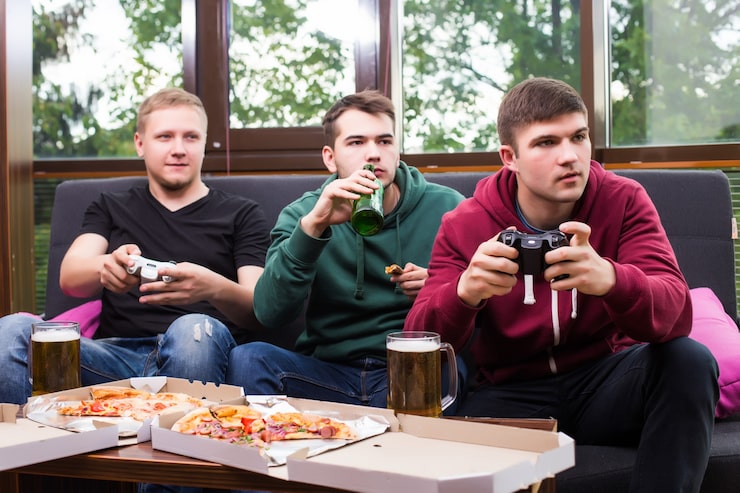
Food Gaming Nights have become a cultural phenomenon, blending culinary creativity with interactive gameplay. These events are not only entertaining for participants but also visually appealing, making them perfect for sharing on social media platforms. Combining the joy of gaming with the art of food, these gatherings transform ordinary evenings into memorable experiences that captivate friends, followers, and online communities alike.
Whether hosted at home, in gaming lounges, or virtually, food gaming nights offer a unique mix of flavors, challenges, and digital interaction. From competitive multiplayer matches to themed cooking contests, these events cater to gamers and food enthusiasts, creating content that naturally draws engagement across Instagram, TikTok, and YouTube.
Crafting the Perfect Food Gaming Night
Planning an effective Food Gaming Nights event requires thoughtful consideration of both cuisine and game selection. Successful nights strike a balance between fun and practicality—easy-to-eat snacks and finger foods are ideal for uninterrupted gameplay. Think sliders, nachos, sushi rolls, and interactive food stations that allow participants to customize their meals while staying immersed in the gaming action.
Games themselves should encourage social interaction. Multiplayer co-op games or competitive matches spark excitement and friendly rivalry, providing dynamic content that is naturally shareable online. Live streams and story posts capture the energy of the night, combining food aesthetics with gameplay highlights to engage digital audiences.
Social Media Integration
The rise of Food Gaming Nights is closely linked to social media culture. Platforms like Instagram and TikTok thrive on visually rich content, and these events deliver exactly that. Colorful dishes, creative plating, and immersive gaming setups create a feed-worthy experience that participants are eager to share.
Moreover, social media engagement amplifies the event’s reach. Hashtags, live-streaming, and collaborative posts with friends or influencers increase visibility, attracting like-minded enthusiasts and generating community excitement. Many hosts even incorporate challenges or mini-contests, encouraging participants to post their creations or gameplay clips, further fueling online interaction.
Real-Life Examples: Creativity in Action
Consider a weekend Food Gaming Nights hosted by a group of college students. The setup featured themed snacks inspired by popular video games—Mario mushroom cupcakes, Pac-Man shaped cookies, and Zelda-inspired energy drinks. Attendees competed in a tournament while enjoying these themed treats. The result was not only laughter and camaraderie but also a flood of posts across social media channels, each showcasing the event’s unique blend of fun and flavor.
Similarly, professional gamers have started integrating food elements into their streams. These live sessions include cooking segments or snack challenges alongside competitive gaming, drawing thousands of viewers who appreciate the combination of entertainment and culinary creativity.
Enhancing Engagement Through Interactive Elements
The most memorable Food Gaming Nights incorporate interactive components. DIY food stations, team-based cooking competitions, and audience voting for the best dishes elevate the experience beyond simple snacking and gaming. Participants are more likely to capture these moments on camera, boosting shareability and audience interaction online.
Another popular trend is themed nights that tie into specific games or seasons. Halloween horror games with spooky treats or holiday-themed parties with seasonal dishes create visually cohesive content that is naturally engaging for social media followers.
Benefits Beyond Entertainment
While primarily designed for fun, Food Gaming Nights also offer social and cognitive benefits. These gatherings encourage collaboration, communication, and strategic thinking among participants. For food enthusiasts, it’s a chance to experiment with recipes, presentation, and flavor combinations in a playful environment.
From a digital marketing perspective, these nights are powerful tools for brand engagement. Restaurants, food delivery services, or gaming brands can sponsor events, providing products or prizes. The resulting social media exposure reaches audiences in authentic, interactive ways that traditional advertising cannot replicate.
Planning Tips for Maximum Impact
To host successful and shareable Food Gaming Nights, consider the following elements: ambiance, camera-friendly setups, snack accessibility, and game selection. Ensuring that food is easy to handle during gameplay prevents disruption, while visually appealing dishes enhance content quality. Lighting and camera angles matter too—highlighting both culinary creations and player reactions makes for compelling social media posts.
Finally, integrating digital components like polls, live challenges, or hashtag campaigns encourages participants and viewers to engage online. These elements turn a simple evening of gaming and snacking into a viral-worthy social media event.
Future Trends in Food Gaming Nights
The popularity of Food Gaming Nights is expected to grow alongside trends in live streaming, gaming culture, and food aesthetics. Virtual reality (VR) and augmented reality (AR) experiences may soon allow participants to explore immersive food gaming worlds. Meanwhile, collaborations with influencers, gaming brands, and culinary experts will continue to elevate the concept, making each night more creative, interactive, and shareable.
By merging culinary fun with gaming excitement, food gaming nights create an unforgettable experience that resonates both offline and online, fueling social media engagement and community participation.
Read also:
www bageltechnews.com
www .bageltechnews.com
clearskinstudy emails addresses
clearskinstudy email address
australian men’s cricket team vs south africa national cricket team match scorecard
shubhman gill height
nfl teams that have never won a super bowl